


-
Address: China, Shenzhen
-
Email: info@chinaglobalhub.com
China Global Hub
China business solutions center
-
Phone: +86 188 0760 4383
-
Telegram: @china_global_hub
China Global Hub
China business solutions center

Blog





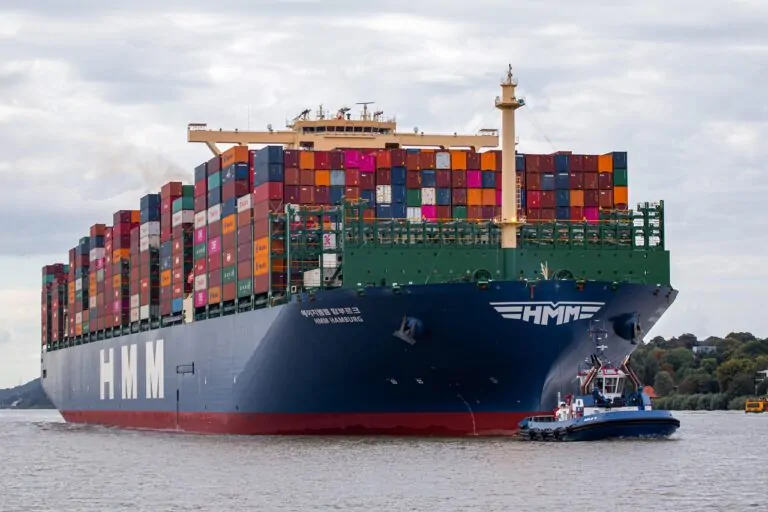
Freight Transportation from China: Sea and Air Routes
China is one of the world’s leaders in goods production, and freight transportation from China is becoming an important component of international trade. The question of choosing the right route for delivering goods from China is relevant for many companies looking to optimize their logistics processes.
In this article, we will take a closer look at the two main delivery routes: sea and air. We will analyze their advantages, delivery times, and costs to help you make an informed choice. Sea delivery is the traditional and most demanded method of transporting goods, especially for large and heavy cargo.
️ Advantages of sea delivery:
Low cost: This is one of the most economical transportation options, making it ideal for large shipments of goods.
Capacity: Cargo ships can carry enormous quantities of goods, which is convenient for regular supplies.
Designed for long distances: If goods are being transported over long distances, for example, from China to Europe or America, sea delivery is the most effective and cost-efficient option.
Delivery times and costs for sea transport
Delivery times depend on several factors, including the ports of departure and destination, as well as seasonality. For example, delivery of cargo from China to Europe can take from 25 to 40 days depending on the port and route.
The cost of delivery varies depending on the volume of cargo and the season. On average, the freight cost for a 20-foot container ranges from $800 to $2500.
️ How to choose a sea route?
For bulk shipments. This is the ideal option for businesses that ship large volumes of goods.
When timing is not critical. Sea freight is best suited for deliveries where time is not a key factor.
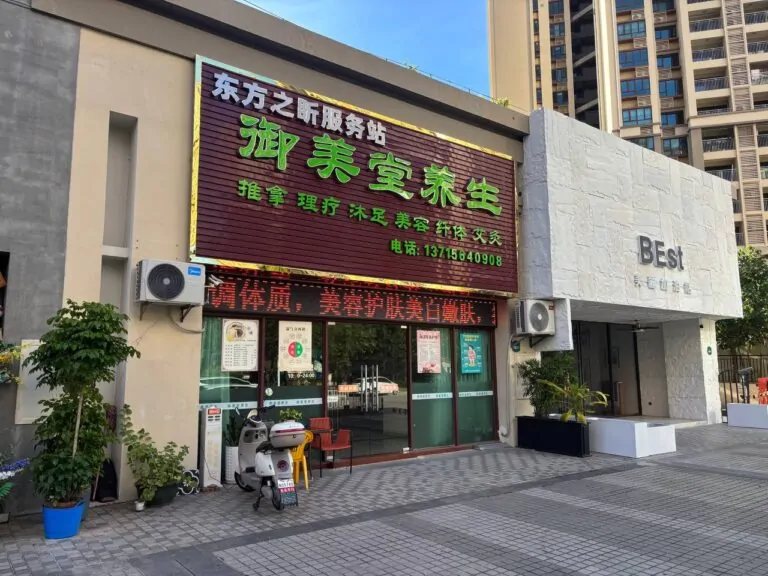
How Chinese Traditions Influence Product Design and Packaging: Considering Symbolism, Colors, and Shapes in Product Development for the Chinese Market
China is a country with a millennium-old history, where cultural and traditional elements play an important role in everyday life, including perception of products. When developing packaging for the Chinese market, it is essential to consider local features such as symbolism, colors, and shapes. These elements influence consumer choice and can significantly affect product success.

Chinese Symbols of Luck in Marketing – How to Use Symbolism to Promote Products and Increase Sales
Chinese culture has a huge influence on the global market. One of the key elements of this culture is the symbols of luck. For marketers, these are not just beautiful images, but a powerful tool for attracting attention and increasing sales. In this material, we will look at how Chinese symbols of luck can be used in marketing, how this helps brands stand out in the market and increase their appeal to both Chinese and international consumers.

Chinese 996 Culture: The End of the Era of Overtime Exploitation?
Chinese “996 culture” is a work schedule from 9 AM to 9 PM, 6 days a week, totaling 72 hours. Despite a formal ban since 2021, this practice is still observed in many companies. The main reason is low salaries. To cover basic expenses, workers are forced to take extra hours.
Why this matters:
On average, Chinese workers worked 48.5 hours a week in the first half of 2025 — almost 10% more than the legally permitted 44 hours. Workers strive for overtime not due to direct coercion, but to ensure income, as the minimum wage often does not cover living expenses. For example, in Shenzhen, it is 2,520 yuan per month with average monthly expenses around 4,284 yuan.

China 2025: Complete Guide for Tourists in the Middle Kingdom
Traveling to China is a unique opportunity to immerse yourself in the world of ancient civilization, get acquainted with the culture, cuisine, and modern megacities of the country. In 2025, the travel rules and infrastructure have changed significantly, and to avoid problems, it is important to know the current details.
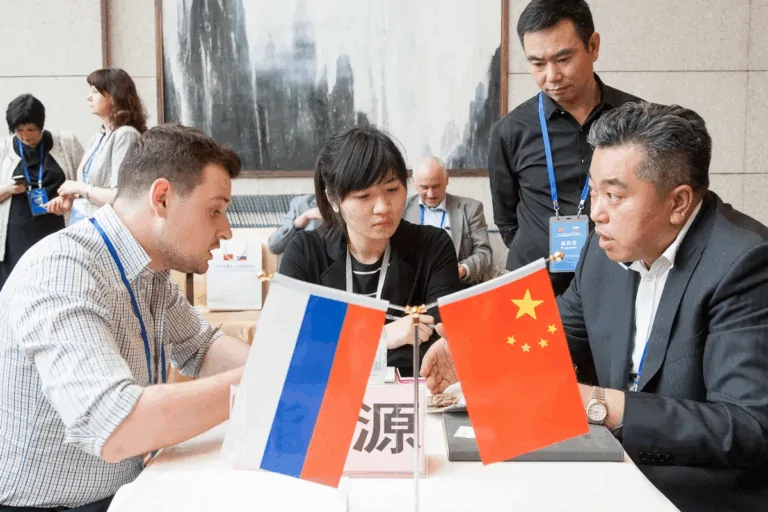
Business with China in 2026: key trends and forecasts
In 2026, business with China opens new opportunities for Russian companies. Technological innovations, digitalization of trade, and sustainable development create favorable conditions for expanding partnerships and entering international markets. Understanding these trends allows for adapting strategies and increasing the effectiveness of collaboration with Chinese partners.

UnionPay, Alipay and WeChat Pay for Business: What to Choose for International Transfers | ChinaGlobal Hub
Choosing the right payment system for international transfers is a key point for businesses working with China. UnionPay, Alipay, and WeChat Pay are three leading Chinese payment systems, each with its own features, fees, and advantages. In this guide, we will compare them to help you make an informed choice for your business.
Mistakes When Buying Equipment from China: How to Avoid Risks and Save Money
China remains the world’s largest manufacturer of industrial equipment: from machines and presses to high-tech lines. More than 40% of Russian businesses purchase equipment from China, as the price is often 2-3 times lower than that of European counterparts. However, along with the benefits come risks: mistakes in choosing a supplier, legal nuances, and low product quality.
Fact: according to international associations, more than 30% of entrepreneurs have encountered problems during their first purchase of equipment from China. In this article, we will discuss the TOP-10 mistakes to avoid.
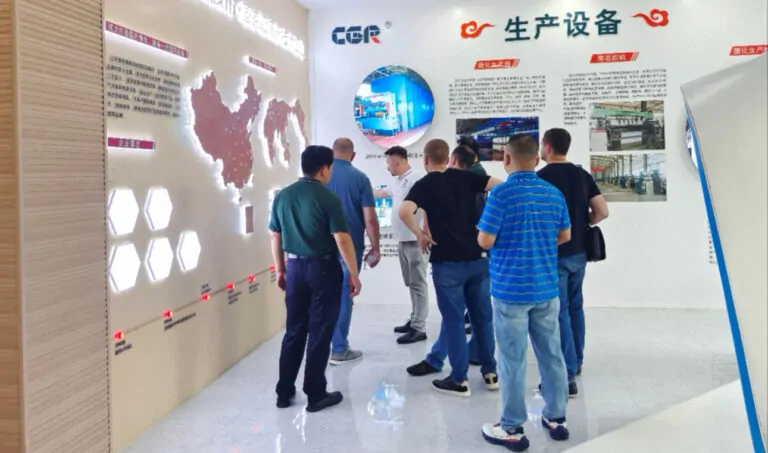
How to Reduce Shipping Costs from China: A Step-by-Step Guide for Business | ChinaGlobal Hub
China remains the world’s main manufacturing hub: over 30% of global production is produced there. However, a key issue for entrepreneurs is the high cost of shipping from China. This is particularly acute when dealing with small and medium-sized batches of goods. In this guide, we will explore how to optimize logistics and reduce shipping costs while maintaining quality and delivery times.