-
Address: China, Shenzhen
-
Email: info@chinaglobalhub.com
China Global Hub
China business solutions center
-
Phone: +86 188 0760 4383
-
Telegram: @china_global_hub
China Global Hub
China business solutions center
Biometrics in Banks: Protecting Clients from Fraudsters 2025
Modern biometrics in banks is becoming a key tool for protecting clients from fraudsters. The use of facial recognition, fingerprints, and voice significantly reduces the risks of financial fraud and increases the security of online banking.
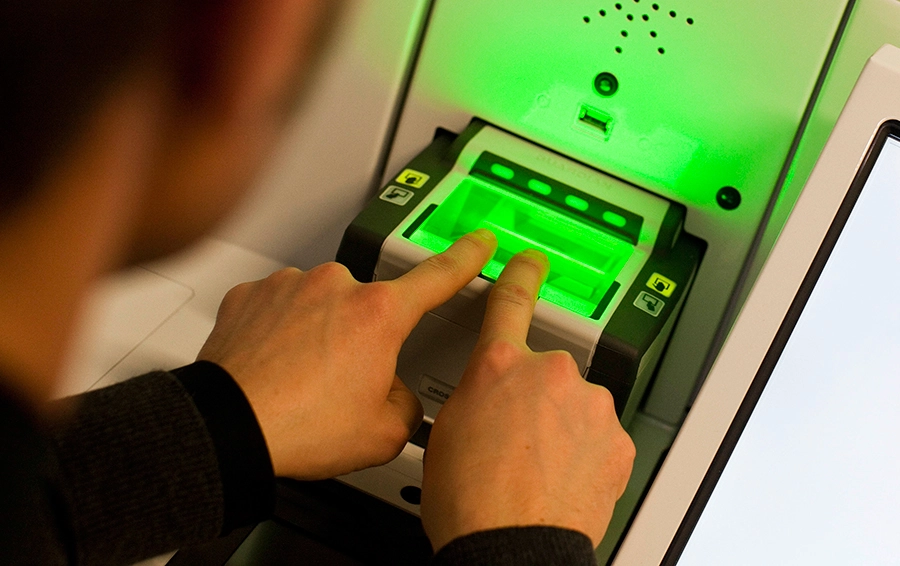
Modern biometrics in banks is becoming a key tool for protecting customers from fraudsters. The use of facial recognition, fingerprints, and voice significantly reduces the risks of financial fraud and enhances online banking security.
🗝️ How Biometrics Work in Banks
Biometric technologies use unique physical and behavioral characteristics of a person for identification. The most popular methods:
- Facial and iris recognition
- Fingerprints
- Voice identification
- Behavioral patterns in mobile applications
Advantages of using biometrics:
- 🔹 Fast and accurate customer identification
- 🔹 Reduction of credit card and online payment fraud
- 🔹 Personalization of services and improvement of customer experience
📊 Analytics and Statistics on Biometrics Usage
According to a study, more than 60% of Russian banks plan to implement biometrics in the next two years. Key indicators:
- Fraud reduction by up to 50%
- 20% of users express concern about data storage security
- Growth of mobile banking usage with biometric authentication by 35% over the past year
Conclusion: biometrics enhances the security of financial transactions but requires a knowledgeable approach to data storage and protection.
🔒 Potential Risks of Biometrics
Leakage of Biometric Data
Storing biometrics requires reliable protection. Leakage can lead to irreversible consequences, as fingerprints and faces cannot be changed.
Fraudulent Attacks
Modern fraudsters use fake fingerprints, masks, and voice synthesis to bypass systems.
Technical Errors
The system may make errors under poor lighting, with masks, changes in voice, or illness of the user, creating a risk of blocking legitimate customers.
📌 Practical Tips for Customers
- Use two-factor authentication along with biometrics
- Regularly update the bank’s mobile application
- Do not provide biometric data to third-party services
- Monitor bank notifications and immediately report suspicious transactions
🧩 Prospects of Biometrics in Banking
Experts predict the active implementation of biometrics in:
- Online banking
- POS terminals
- Remote service systems
Benefits: accelerated operations, fraud reduction, improved customer experience.
❓ FAQ: Frequently Asked Questions
1. How safe is biometrics in banks?
Modern systems are secure, but it is important for users to follow bank recommendations.
2. What to do in case of biometric data leakage?
Immediately notify the bank and monitor accounts.
3. Is it possible to bypass biometric systems?
Difficult, but theoretically possible through fake fingerprints or masks.
4. What types of biometrics are the most reliable?
Face and iris recognition are considered the safest.
5. Where to store biometric data?
It is better to trust the storage to the bank rather than the user’s device.