-
Address: China, Shenzhen
-
Email: info@chinaglobalhub.com
China Global Hub
China business solutions center
-
Phone: +86 188 0760 4383
-
Telegram: @china_global_hub
China Global Hub
China business solutions center
How to Establish Quality Control in Manufacturing in China
Quality control in manufacturing in China is a key component of successful goods importation. From factory audits to final product inspections: how to ensure compliance with standards and minimize the risks of defects.
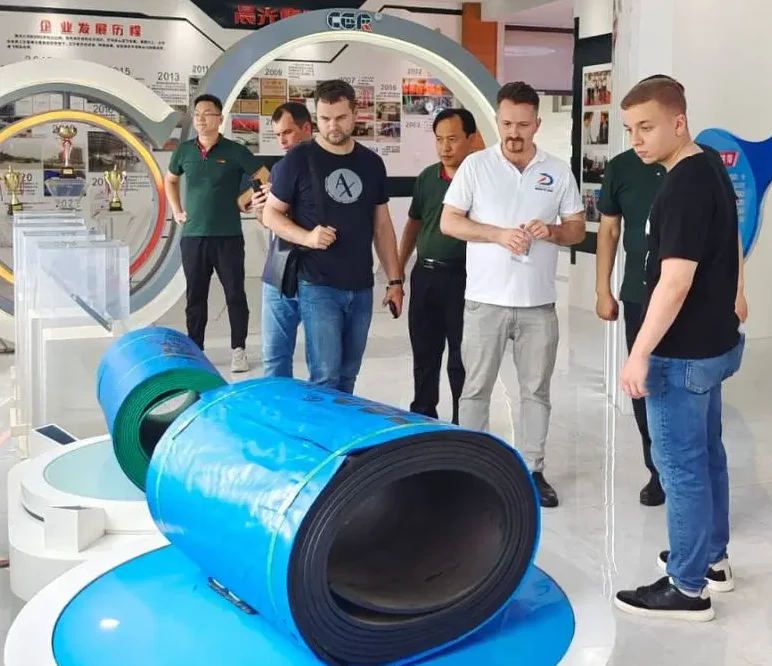
📌 Problem: product quality from China
Quality control in manufacturing in China is a key component of successful product importation. From factory audits to final inspections of products: how to ensure compliance with standards and minimize the risks of defects.
🗺️ Why quality control in China is important
- China remains the largest exporter of goods in the world — over $2.5 trillion per year.
- Statistics show that about 15–20% of imported goods have defects or do not meet stated standards.
- Without systematic quality control in China, it can become a source of serious problems for businesses.
Conclusion: reliable quality control is not an option, but a mandatory stage of working with manufacturing.
🔑 Quality control methods at all stages of production
1️⃣ Factory Audit
Objective: to check whether the manufacturer meets the standards of your brand.
What is checked:
- Production capacities and equipment
- Personnel qualifications
- Compliance with safety regulations
- Quality management system (ISO 9001, ISO 14001)
Tip: use local agencies for independent audits to get an objective picture.
2️⃣ Incoming Quality Control (IQC)
- Quality check of materials before production
- Measurement of parameters, testing for strength and safety
- Documentation of results for transparency
Important: even minor deviations at the raw material stage can become critical at the output.
3️⃣ In-Process Quality Control (IPQC)
- Regular checks during assembly
- Use of checklists for employees
- Monitoring critical points (e.g., soldering, seams, assembly of components)
Tip: implement photo protocols to document problems and resolve them quickly.
4️⃣ Final Quality Control (FQC)
- 100% or sampling inspection of finished products
- Testing for functionality, appearance, packaging
- Documentation of defects and decision-making: correction, rejection or return
Example: sampling 20 units from a batch of 1000 to check key parameters.
5️⃣ Testing and Certification
- Compliance check with international standards (CE, RoHS, FCC)
- Laboratory tests for safety and durability
Tip: having certifications increases trust in your product in the market.
📝 Step-by-step guide: how to establish quality control
- Select a reliable manufacturer and conduct a factory audit.
- Sign a contract with clear quality requirements.
- Organize incoming material control (IQC).
- Implement regular IPQC at all stages of production.
- Conduct final FQC and product testing.
- Document all results and keep reports.
- Use independent inspections before shipment.
Advantage: minimizing defects, increasing customer trust, and reducing financial risks.
⚠️ Mistakes to avoid
- Ignoring the factory audit
- Purchasing raw materials without quality checks
- Absence of interim control
- Complete dependency on the manufacturer’s word
- Undocumented inspection results
Tip: each stage of control should be documented both in writing and visually.
📊 Facts and Statistics
- 78% of importers of goods from China have faced quality problems at least once.
- The average defect rate without control: 10–15% of products.
- Systematic control reduces the number of defects to 2–3%.
Conclusion: investments in quality control pay off multiple times through reduced defects and returns.
❓ FAQ: Frequently Asked Questions
Q1: Which is more important — factory inspection or final inspection?
A1: Both stages are critical. The factory audit helps choose a reliable manufacturer, and FQC guarantees the quality of each batch.
Q2: How often should product inspections be conducted?
A2: At least once a month or for every large batch.
Q3: Can you fully trust a Chinese manufacturer without control?
A3: No. Even large factories can make mistakes.
Q4: How to choose an agent for independent inspection?
A4: Check their experience working with your product categories, customer reviews, and certifications.
📌 Conclusion
Establishing quality control in China is a systematic process that includes factory audits, raw material checks, process monitoring, final inspections, and product testing. By following the step-by-step guide and avoiding common mistakes, you guarantee product quality, increase customer trust, and reduce financial risks.