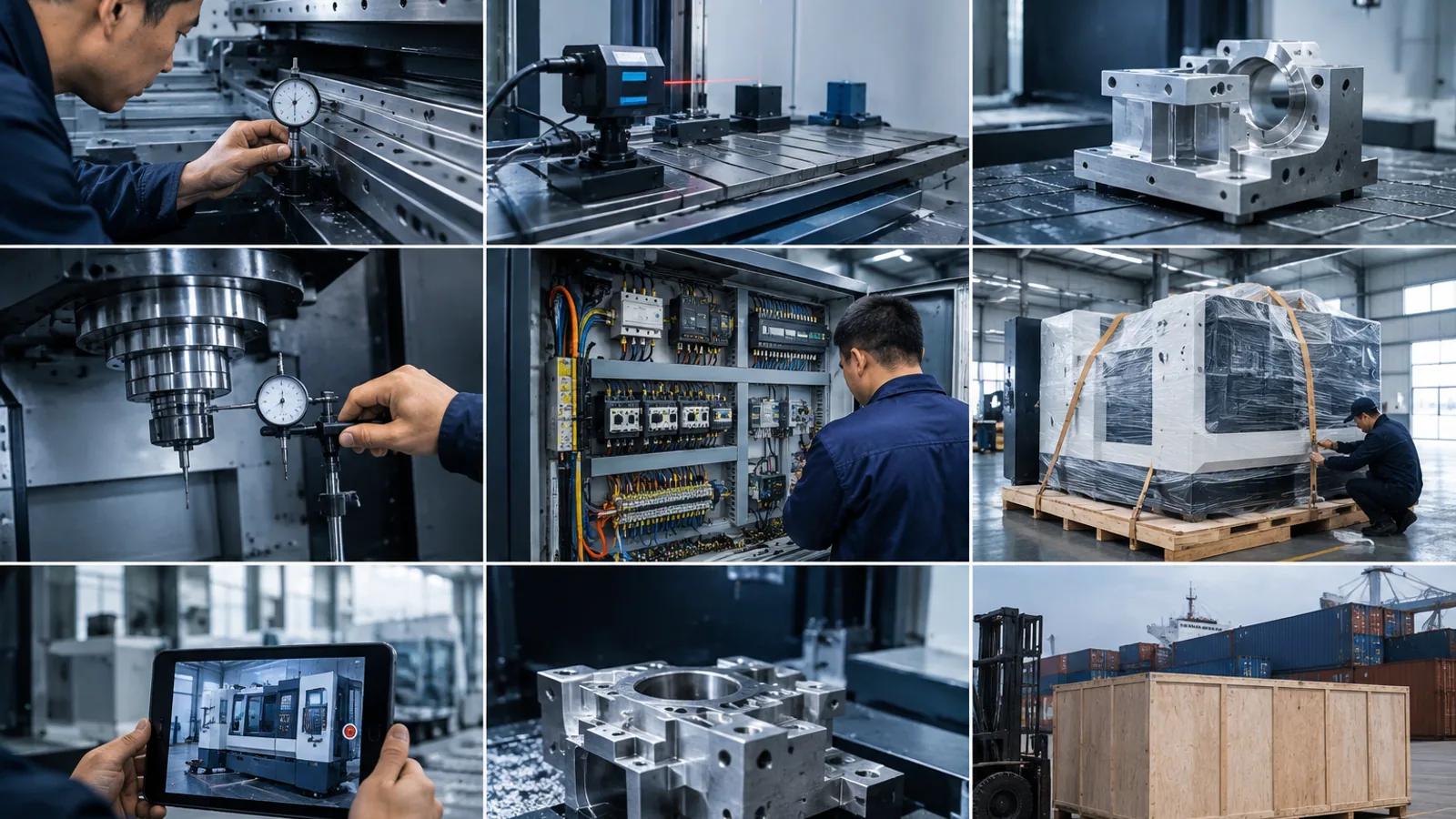

Global Supplier Reliability Index 2025: Ranking of Chinese Provinces and How to Choose a Factory with Minimal Risk
In 2025, the concept of supplier reliability China 2025 has become critically important for importers, brands, and companies working with China. When choosing a factory, buyers seek not just a low price but high reliability in timeliness, quality, logistics, and compliance with standards. This material presents a unique Global Supplier Reliability Index, which ranks Chinese provinces based on key supplier reliability metrics. We will also provide recommendations on how to choose a factory with minimal risks and maximum return based on this index.
What is the Supplier Reliability Index and Why is it Needed
Supplier Reliability Index (SRI) is a comprehensive ranking that assesses Chinese provinces based on the ability of factories to ensure consistently high reliability in terms of:
- on-time delivery;
- product quality (defect rate, returns);
- certification and standards compliance;
- communication and client handling reliability;
- logistical delays and customs issues.
In 2025, global supply chains face pressure: rising tariffs, logistical disruptions post-pandemic, increasing raw material and labor costs. Therefore, supplier reliability China 2025 is a key indicator enabling risk minimization and long-term partnership planning.
Methodology: Which Metrics and Where Data Comes From
For calculating the Global Supplier Reliability Index 2025, the following parameters were used:
| Metric | Index Weight (%) | Description | Source / Measurement Method |
| On-time delivery rate | 25% | Percentage of orders delivered on time | supplier data + QC reports |
| Defect rate / Rejects | 20% | Percentage of products deviating from standards | inspections, lab tests |
| Certification and standards | 15% | ISO, CE, RoHS, IATF, factory audits | certification databases |
| Communication reliability | 10% | Response time, complaint handling | customer reviews, interviews |
| Logistic & customs delay | 15% | Average delay during transportation and customs | port data, logisticians |
| Workforce & infrastructure | 15% | Workforce, energy supply, transport | provincial statistics |
Sample: over 1,200 factories in 20+ provinces, observation period — January 2024 – June 2025.
According to QIMA, in 2023, the number of inspections in China ordered by importers from the US and EU increased by 5.4 % compared to the previous year — an indicator that attention to supplier reliability is rapidly growing.
Top 10 Chinese Provinces by Reliability in 2025
| Rank | Province | Score (out of 100) | Strengths | Risks |
| 1 | Guangdong | 92.3 | developed infrastructure, on-time delivery ~98%, strong ports | high labor costs, port congestion |
| 2 | Zhejiang | 89.7 | low defect rate (<1.5%), small-batch flexibility | limited options for heavy industries |
| 3 | Shandong | 88.5 | consistent quality, industrial parks | weather risks, customs delays |
| 4 | Fujian | 86.9 | textiles, consumer goods | weaker in electronics |
| 5 | Jiangsu | 86.4 | auto components, high standards | expensive rent and land |
| 6 | Hunan | 84.8 | workforce, logistics development | less international experience |
| 7 | Anhui | 83.2 | rapid growth, low cost | weak QC infrastructure |
| 8 | Sichuan | 82.7 | energy, internal markets | remote from ports |
| 9 | Hebei | 81.5 | engineering | environmental restrictions |
| 10 | Jiangxi | 80.9 | cheap labor | few large export factories |
Profiles of the Top Three Leaders
Guangdong
- On-time delivery: ~98.2%
- Defect rate: 0.8-1.2%
- Certification: ISO 9001, IATF 16949, CE, RoHS
- Strengths: major ports, supplier network, international export experience
- Risks: high labor costs, port congestion
Zhejiang
- On-time delivery: ~97.5%
- Defect rate: 1.0-1.5%
- Certification: full set of standards, especially for textiles and furniture
- Strengths: small-batch flexibility, developed internal logistics
- Risks: expensive heavy cargo logistics, seasonal labor issues
Shandong
- On-time delivery: ~96.8%
- Defect rate: 1.5-2.2%
- Strengths: engineering, metallurgy, large industrial zones
- Risks: climatic delays, fewer factories in electronics and textiles
How to Use the Index When Choosing a Factory
To reduce risk when purchasing from China, use a checklist:
- Determine volume and certification requirements.
- Compare provinces using the Supplier Reliability Index.
- Request QC reports and product samples.
- Check for ISO/CE/ROHS availability.
- Clarify logistics and distance to ports.
- Test communication (response speed, willingness to share documents).
- Start with a pilot order.
- Include KPIs in the contract: on-time delivery ≥95%, defect rate ≤2%.
Example: an electronics brand chose Zhejiang over Hunan because the defect rate was lower by 1.2%, and delivery times were reduced by 5 days. The result is savings on claims and an accelerated market entry.

Global Supplier Reliability Index 2025: Ranking of Chinese Provinces and How to Choose a Factory with Minimal Risk
In 2025, the concept of supplier reliability China 2025 has become critically important for importers, brands, and companies working with China. When choosing a factory, buyers seek not just a low price but high reliability in timeliness, quality, logistics, and compliance with standards. This material presents a unique Global Supplier Reliability Index, which ranks Chinese provinces based on key supplier reliability metrics. We will also provide recommendations on how to choose a factory with minimal risks and maximum return based on this index.
What is the Supplier Reliability Index and Why is it Needed
Supplier Reliability Index (SRI) is a comprehensive ranking that assesses Chinese provinces based on the ability of factories to ensure consistently high reliability in terms of:
- on-time delivery;
- product quality (defect rate, returns);
- certification and standards compliance;
- communication and client handling reliability;
- logistical delays and customs issues.
In 2025, global supply chains face pressure: rising tariffs, logistical disruptions post-pandemic, increasing raw material and labor costs. Therefore, supplier reliability China 2025 is a key indicator enabling risk minimization and long-term partnership planning.
Methodology: Which Metrics and Where Data Comes From
For calculating the Global Supplier Reliability Index 2025, the following parameters were used:
| Metric | Index Weight (%) | Description | Source / Measurement Method |
| On-time delivery rate | 25% | Percentage of orders delivered on time | supplier data + QC reports |
| Defect rate / Rejects | 20% | Percentage of products deviating from standards | inspections, lab tests |
| Certification and standards | 15% | ISO, CE, RoHS, IATF, factory audits | certification databases |
| Communication reliability | 10% | Response time, complaint handling | customer reviews, interviews |
| Logistic & customs delay | 15% | Average delay during transportation and customs | port data, logisticians |
| Workforce & infrastructure | 15% | Workforce, energy supply, transport | provincial statistics |
Advertisement
TOP 5 GLOBAL TONER MANUFACTURERS — YOUR PREMIUM COLOR PRINTING EXPERT
Flawless Colors. · Guaranteed Performance. · With UNICO, your seal speaks for quality.
Learn more→
Sample: over 1,200 factories in 20+ provinces, observation period — January 2024 – June 2025.
According to QIMA, in 2023, the number of inspections in China ordered by importers from the US and EU increased by 5.4 % compared to the previous year — an indicator that attention to supplier reliability is rapidly growing.
Top 10 Chinese Provinces by Reliability in 2025
| Rank | Province | Score (out of 100) | Strengths | Risks |
| 1 | Guangdong | 92.3 | developed infrastructure, on-time delivery ~98%, strong ports | high labor costs, port congestion |
| 2 | Zhejiang | 89.7 | low defect rate (<1.5%), small-batch flexibility | limited options for heavy industries |
| 3 | Shandong | 88.5 | consistent quality, industrial parks | weather risks, customs delays |
| 4 | Fujian | 86.9 | textiles, consumer goods | weaker in electronics |
| 5 | Jiangsu | 86.4 | auto components, high standards | expensive rent and land |
| 6 | Hunan | 84.8 | workforce, logistics development | less international experience |
| 7 | Anhui | 83.2 | rapid growth, low cost | weak QC infrastructure |
| 8 | Sichuan | 82.7 | energy, internal markets | remote from ports |
| 9 | Hebei | 81.5 | engineering | environmental restrictions |
| 10 | Jiangxi | 80.9 | cheap labor | few large export factories |
Profiles of the Top Three Leaders
Guangdong
- On-time delivery: ~98.2%
- Defect rate: 0.8-1.2%
- Certification: ISO 9001, IATF 16949, CE, RoHS
- Strengths: major ports, supplier network, international export experience
- Risks: high labor costs, port congestion
Zhejiang
- On-time delivery: ~97.5%
- Defect rate: 1.0-1.5%
- Certification: full set of standards, especially for textiles and furniture
- Strengths: small-batch flexibility, developed internal logistics
- Risks: expensive heavy cargo logistics, seasonal labor issues
Shandong
- On-time delivery: ~96.8%
- Defect rate: 1.5-2.2%
- Strengths: engineering, metallurgy, large industrial zones
- Risks: climatic delays, fewer factories in electronics and textiles
How to Use the Index When Choosing a Factory
To reduce risk when purchasing from China, use a checklist:
- Determine volume and certification requirements.
- Compare provinces using the Supplier Reliability Index.
- Request QC reports and product samples.
- Check for ISO/CE/ROHS availability.
- Clarify logistics and distance to ports.
- Test communication (response speed, willingness to share documents).
- Start with a pilot order.
- Include KPIs in the contract: on-time delivery ≥95%, defect rate ≤2%.
Example: an electronics brand chose Zhejiang over Hunan because the defect rate was lower by 1.2%, and delivery times were reduced by 5 days. The result is savings on claims and an accelerated market entry.