
China Manufacturing Trends 2026 for Foreign Companies
China's 2026 manufacturing trends showcase a major technological leap: factories are adopting automation, tightening quality control, implementing environmental standards, and opening up to international partners. China is no longer just the world's largest production hub—it's a flexible, innovation-driven ecosystem where speed, quality, and advanced technology are key. For companies already working with China or planning to enter the market, these shifts offer clear opportunities for growth.
Article
China's manufacturing trends for 2026 showcase a powerful technological leap: factories are adopting automation, strengthening quality control, implementing environmental standards, and opening up to international partners. China is no longer just the world's largest manufacturing hub—it's a flexible, innovative ecosystem where speed, quality, and advanced technology are key drivers.
For US companies working with China or planning to engage with Chinese factories, understanding these trends is your opportunity to reduce risk, select the right partner, accelerate product launches, and ensure consistent quality. This article reveals how Chinese manufacturing is evolving in 2026 and the concrete advantages these changes offer global businesses.
Smart Factories in China — The #1 Technology Trend of 2026
China is aggressively adopting the "smart factory" concept, where automated systems handle core tasks and data-driven decisions guide operations.
What Smart Manufacturing in China Includes
- Robotic assembly lines
- Automated testing stations
- Machine vision and AI-powered defect detection
- Intelligent task distribution systems
- Real-time digital monitoring dashboards
Factories aim to minimize human involvement in routine tasks, shifting human expertise to design, testing, and oversight roles.
Quick Example
A factory in Guangdong implemented a machine vision system that analyzes each product against 38 parameters in just 0.3 seconds. This dramatically reduces defect rates and accelerates batch production.
Benefits for US Companies
- Predictable quality
- Minimized human error
- Process transparency
- Shorter production lead times
- Competitive pricing with stable quality
China's Quality Standards in 2026 — Reaching Global Levels
Quality is now the defining competitive edge for Chinese factories.
New Standards Include:
- Multi-stage testing protocols
- Real-time digital reporting
- Electronic QA/QC logs
- Mandatory ISO 9001 and ISO 45001 certification
- Integration of automated inspection systems
Quality was once a major concern about China. That's changing fast. More factories now operate to CE, FCC, and RoHS standards, while digitalization makes quality control processes fully transparent.
Quick Example
At a plastic products factory, sensors automatically monitor mold temperature. If it deviates by 2–3 °C, the system halts the line and alerts engineers—eliminating geometry defects.
Key Advantages
- Compliance with international requirements
- Direct shipping to the EU and US without extra checks
- Consistent batch quality
- Increased trust in Chinese manufacturing
Sustainability and Eco-Friendliness — A Global Trend for Chinese Factories in 2026
Environmental requirements are now a mandatory part of Chinese manufacturing. International partners demand transparency, and factories are responding by adopting new standards.
Key Areas of Focus
- ISO 14001 certification and environmental auditing
- Shift to recyclable materials
- Energy consumption optimization
- Carbon footprint reduction
- Implementation of water and raw material recycling systems
Quick Example
A packaging plant in Zhejiang installed a system to recycle production scraps, allowing them to reuse up to 60% of raw materials without any loss in quality.
Why It Matters for US Companies
- Simplified certification for European markets
- Alignment with global ESG trends
- Enhanced brand value
- Reduced risk of environmental compliance issues
Chinese Engineers in 2026 — A New Culture of Professionalism
Engineers and technicians in China are becoming true global professionals: fluent in English, knowledgeable about international standards, and skilled in modern project management methodologies.
What's Changing
- Technical documentation follows international formats
- Engineers use next-generation CAD systems
- Many teams operate on Agile models
- Factories increasingly invest in internal staff training
Quick Example
Engineers at a factory in Foshan use digital tablets with live specifications, allowing them to instantly cross-check parameters and eliminate errors from outdated paper blueprints.
Benefits for US Clients
- Clear understanding of international requirements
- Accurate interpretation of technical specs
- Fewer communication mistakes
- Faster, more precise product development
Logistics from China in 2026 — Resilient, Fast, and Digital
Logistics trends are shifting to offer greater stability and convenience for US companies.
Top Logistics Trends
- Expanded shipping routes through Southeast Asia
- Real-time digital tracking for every container
- Automated warehouse operations
- Improved rail routes: China–Central Asia–Europe
- Simplified paperwork through electronic labeling
Quick Example
A major logistics provider implemented a system that tracks cargo temperature inside containers in real time—critical for products sensitive to storage conditions.
Business Advantages
- Fast access to shipment data
- More accurate delivery timelines
- Lower logistics risks
- Greater flexibility in route selection
Inspection and Quality Control in China — A New Digital Model
Inspection remains a critical part of working with China, but in 2026, it's far more technology-driven.
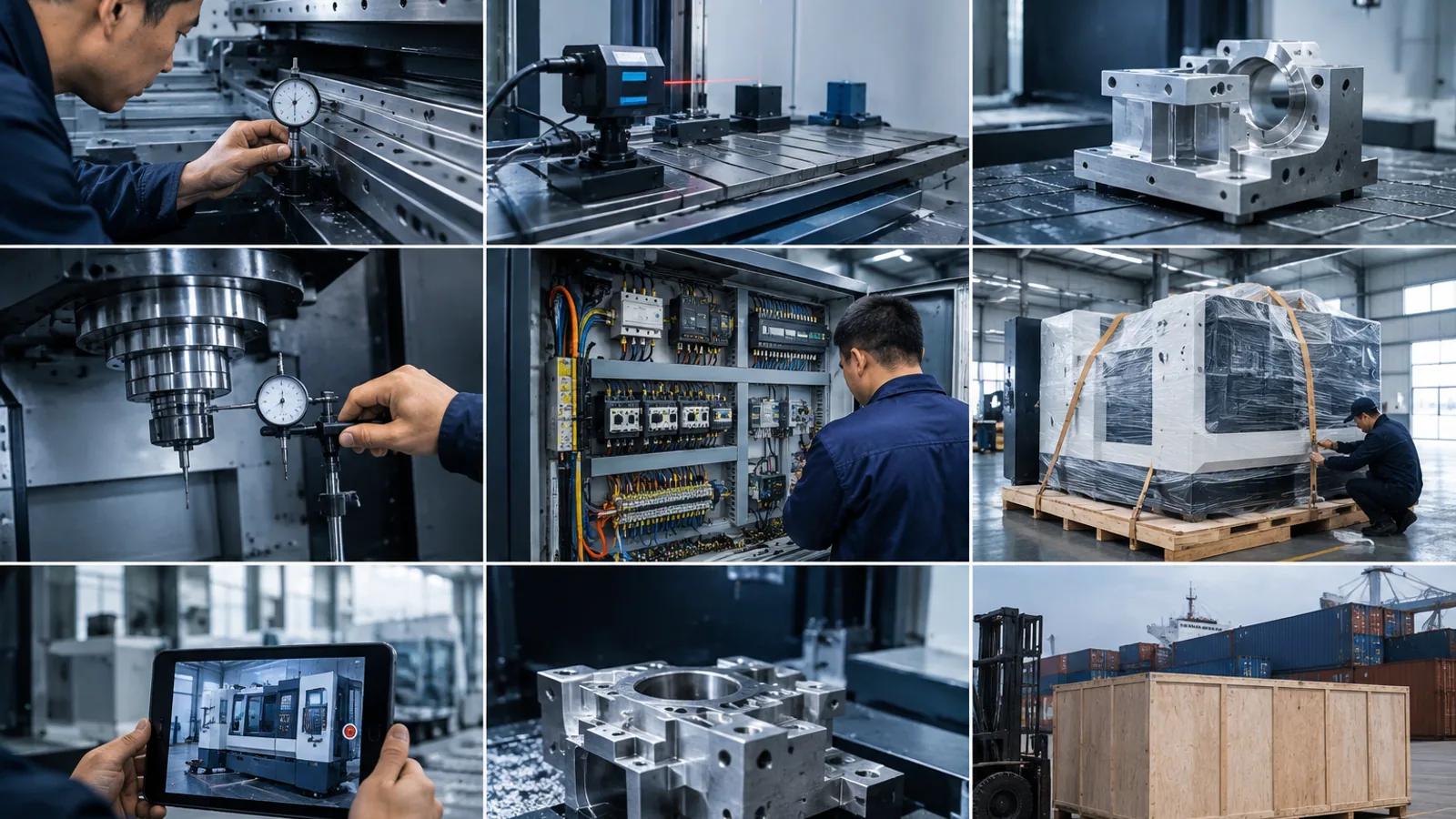
New Inspection Tools
- 360° video inspections
- Automated measurement systems
- Batch QR coding
- Instant report generation via automated systems
- Integrated reports combining photos, videos, and parameter tables
Quick Example
During an electrical equipment inspection, the inspector scans a QR code. The system automatically loads the spec sheet, logs the test result, and generates a report.
What US Companies Gain
- High inspection accuracy
- Full process transparency
- Fast access to results
- Minimized risk of hidden defects