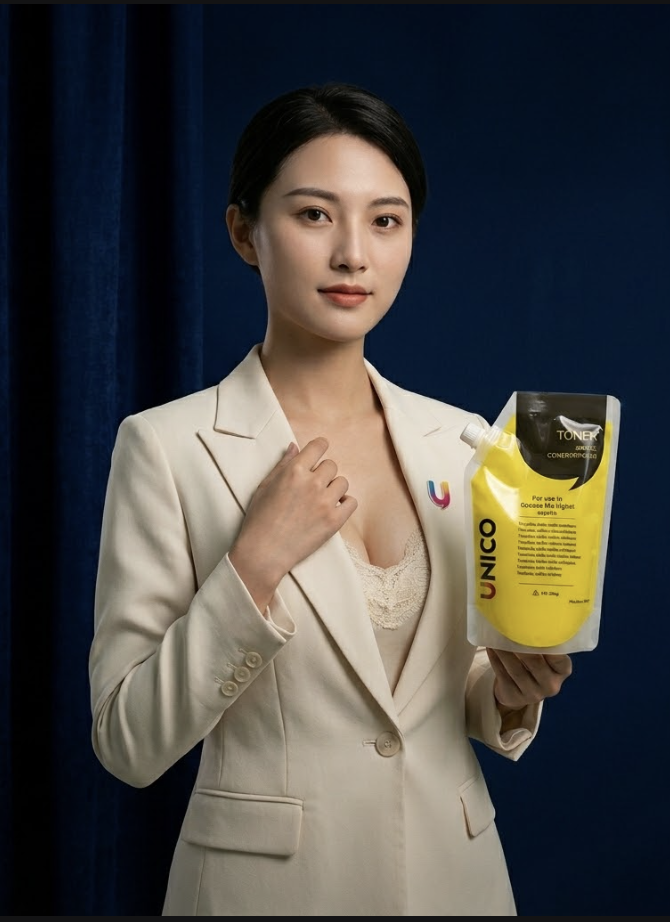

How We Found UNICO Imaging: The Audit That Changed Our View of the Compatible Toner Market in China
How China Global Hub found UNICO Imaging — a manufacturer of compatible toners and cartridges that outperformed its online presence. A real-world audit of Chinese factories, sourcing a supplier to meet high European standards, and a look at why quality, batch consistency, and a professional team matter more than the lowest price in B2B procurement.
Article
Finding the Right China Factory for Compatible Toner: The UNICO Imaging Case Study
China's market offers almost any product you can imagine. This is both its greatest strength and its biggest challenge for international buyers. With so many suppliers, sourcing seems simple: compare prices, request samples, and pick the right factory. In practice, it's far more complex.
This is especially true in niches where products seem simple at first glance. The market for compatible toners, cartridges, and printer/copier consumables is a prime example.
For many buyers, toner is just a consumable. You have OEM, compatible alternatives, unit price, page yield, and packaging. But when it comes to large B2B shipments, government contracts, service companies, distributors, and long-term agreements, toner is no longer a simple commodity. It becomes a matter of stability, reputation, consistent quality, and supplier accountability.
This is exactly how China Global Hub encountered UNICO Imaging.
A Request from Germany That Was More Than a Standard Purchase
The story began with a client inquiry from Germany. On the surface, the request was clear: audit a Chinese toner manufacturer for copiers.
This type of task is routine for China Global Hub. We regularly help clients vet factories, assess production, analyze suppliers, and mitigate risks before purchase. However, this order was different from a standard commercial buy.
The products were destined for a project linked to the German Ministry of Education. This meant a completely different level of requirements: not just "find the cheapest option" or "get samples," but verify the manufacturer's ability to deliver consistent quality, proper documentation, compatibility, batch-to-batch repeatability, and reliable supply.
In these cases, price is no longer the primary criterion. In fact, a price that's too low can be a red flag. If consumables cause gray backgrounds, leaks, yield problems, device incompatibility, or inconsistent quality between batches, the consequences will cost far more than any upfront savings.
During the audit of the first factory, we identified factors that prevented us from recommending their products for the client's requirements. For a standard low-cost shipment, this factory might have sufficed. But for a client with strict standards, it wasn't enough.
The client then set a new task: find a relevant, truly high-quality manufacturer that could meet their needs, not just on price, but on the level of accountability required.
This is where the real work began.
China's Toner Market: Many Factories, Little Certainty
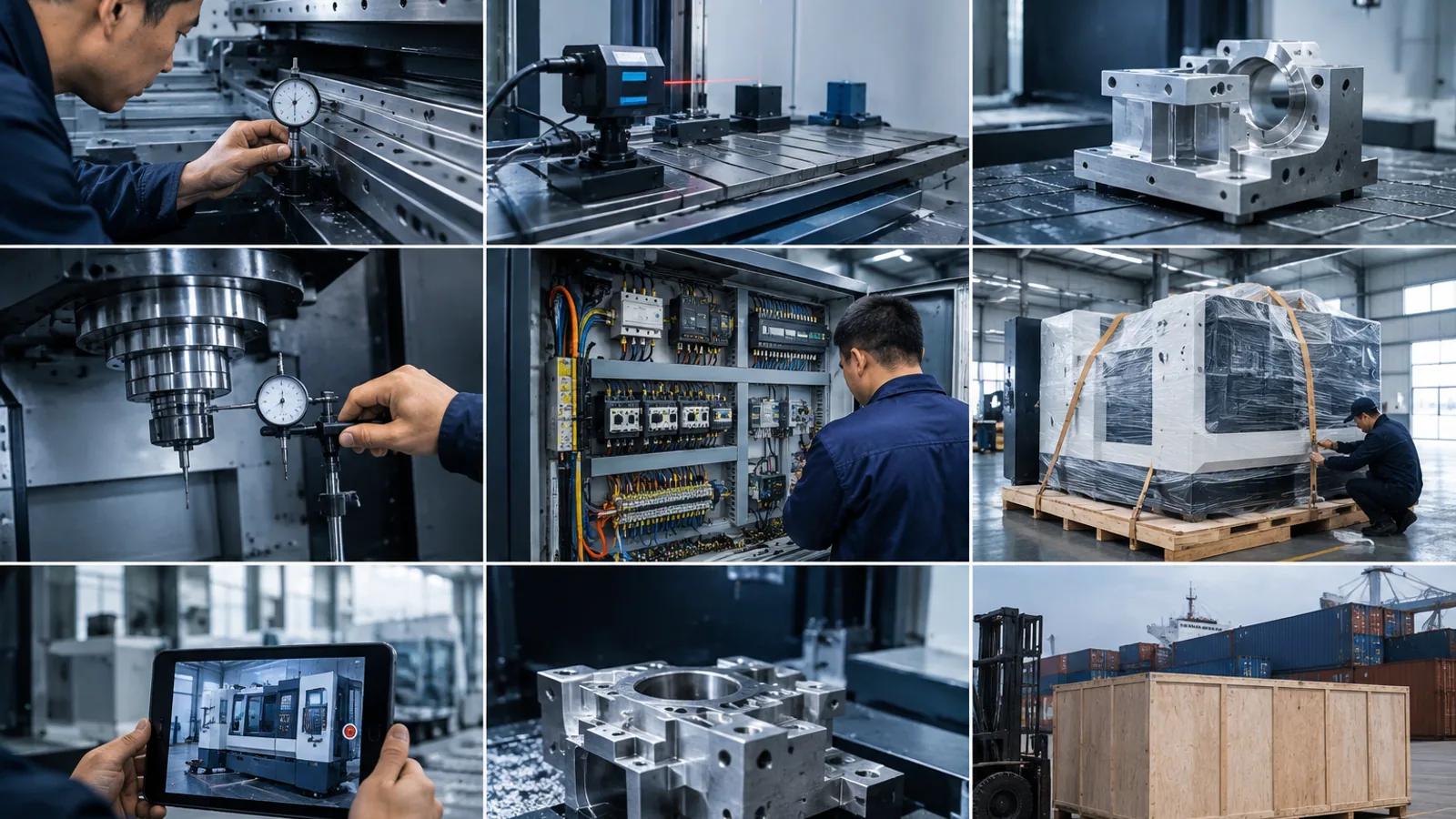
China offers a vast number of compatible toner and cartridge manufacturers. On marketplaces and B2B platforms, many companies look similar: professional photos, standard promises, catalogs, packaging, export experience, certifications, sales managers ready to send a price list.
But when the goal isn't just "buy a product" but to find a manufacturer for a serious B2B project, these external signs aren't enough.
You need to understand that many factories in this niche share a common problem: they know how to sell, but they don't always know how to prove stability. And for a client working with government agencies, corporate print fleets, or a distribution network, stability is far more important than a beautiful promise.
After an initial market analysis, we began shortlisting factories.
Despite having a large supplier database, this task was more challenging than usual.
We've handled orders for low-cost consumables where price was the main driver.
But this client's requirements forced us to view the market differently: through the lens of quality, control, technical discipline, and the factory's ability to sustain long-term supply.
The search took about two weeks. We analyzed a large number of manufacturers and visited around ten factories in Guangdong province for inspection. Most left a similar impression: comparable presentations, similar production processes, similar promises, and a typical sales structure.
But we weren't looking for just another factory on the list. We needed a manufacturer that could answer the key question: Why should a serious buyer trust them with a long-term supply contract?
After a series of checks, we finally found what could be called a needle in a haystack.
What Sets a Strong Factory Apart from an Ordinary One
When China Global Hub selects a manufacturer based on trust rather than just cost, we look at several factors that answer many questions on their own.
First is production discipline. The factory must clearly show how the process is organized, how raw materials are controlled, how batches are tracked, how testing is conducted, and who is responsible for quality.
Second is the quality control department. In the toner niche, this is critical. A compatible consumable must not only physically fit the device. It must work consistently, avoid print defects, prevent dirty backgrounds, minimize service calls, and avoid creating problems for the end-user.
Third is compatibility testing. For copiers and printers, compatibility is a major risk. You can make a product that looks good in its packaging but causes problems in real-world use: the device doesn't recognize the cartridge, print quality varies from batch to batch, yield differs from what's stated, or toner behaves inconsistently under different storage and usage conditions.
Fourth is the team. In China, many buyers only look at the machinery, warehouse, and documents. But often, a company's character is revealed by its people: how managers communicate, their product knowledge, their tenure at the company, how they answer technical questions, and whether a professional culture exists within the organization.
It was at this point that UNICO Imaging stood out sharply from most factories we had seen.
Meeting UNICO Imaging
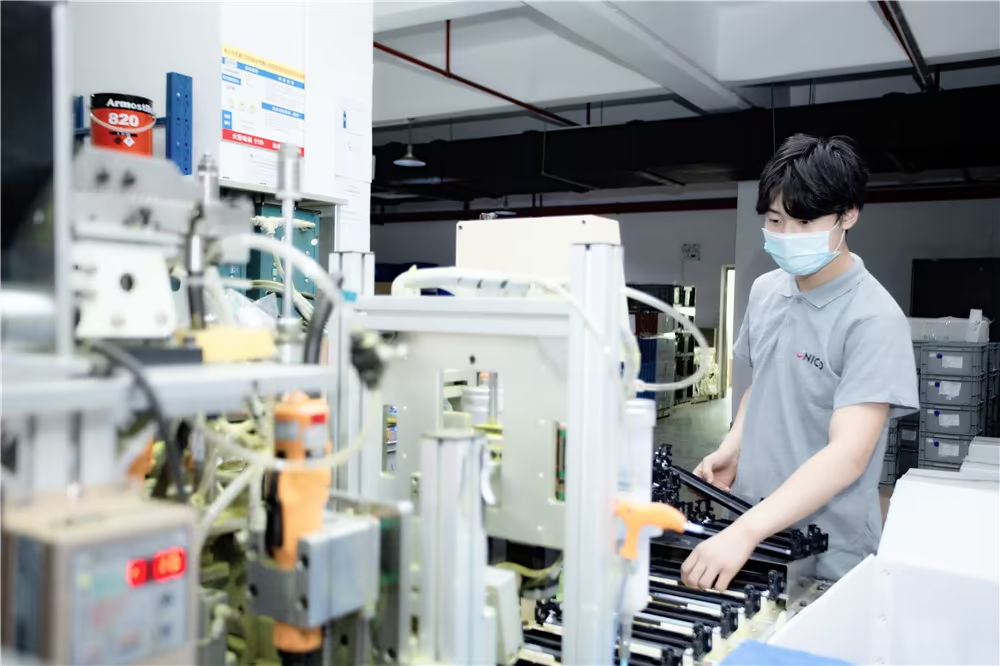
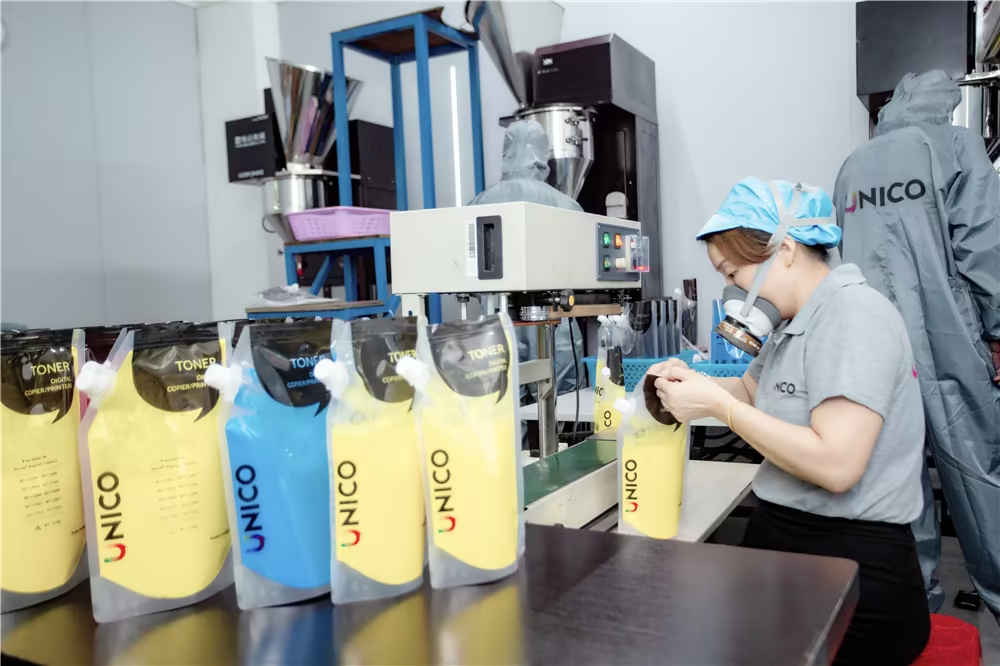
When we arrived at UNICO Imaging's factory, the first impression was professional, not promotional. We toured the production floor, the quality control department, and the processes for checking compatibility and batch stability. Then we met the office team and the company owner, Mr. Quincy.
Mr. Quincy wasn't just a business owner; he was a professional in toner solutions. His approach was very different from the typical factory owner who only talks about price, volume, and delivery times. Our conversation showed a deep understanding of the product, technology, market, and the requirements of international clients.
He speaks fluent English, explains technical and commercial nuances clearly, manages working materials meticulously, and gives the impression of someone building a systematic brand, not just a short-term consumable sales factory.
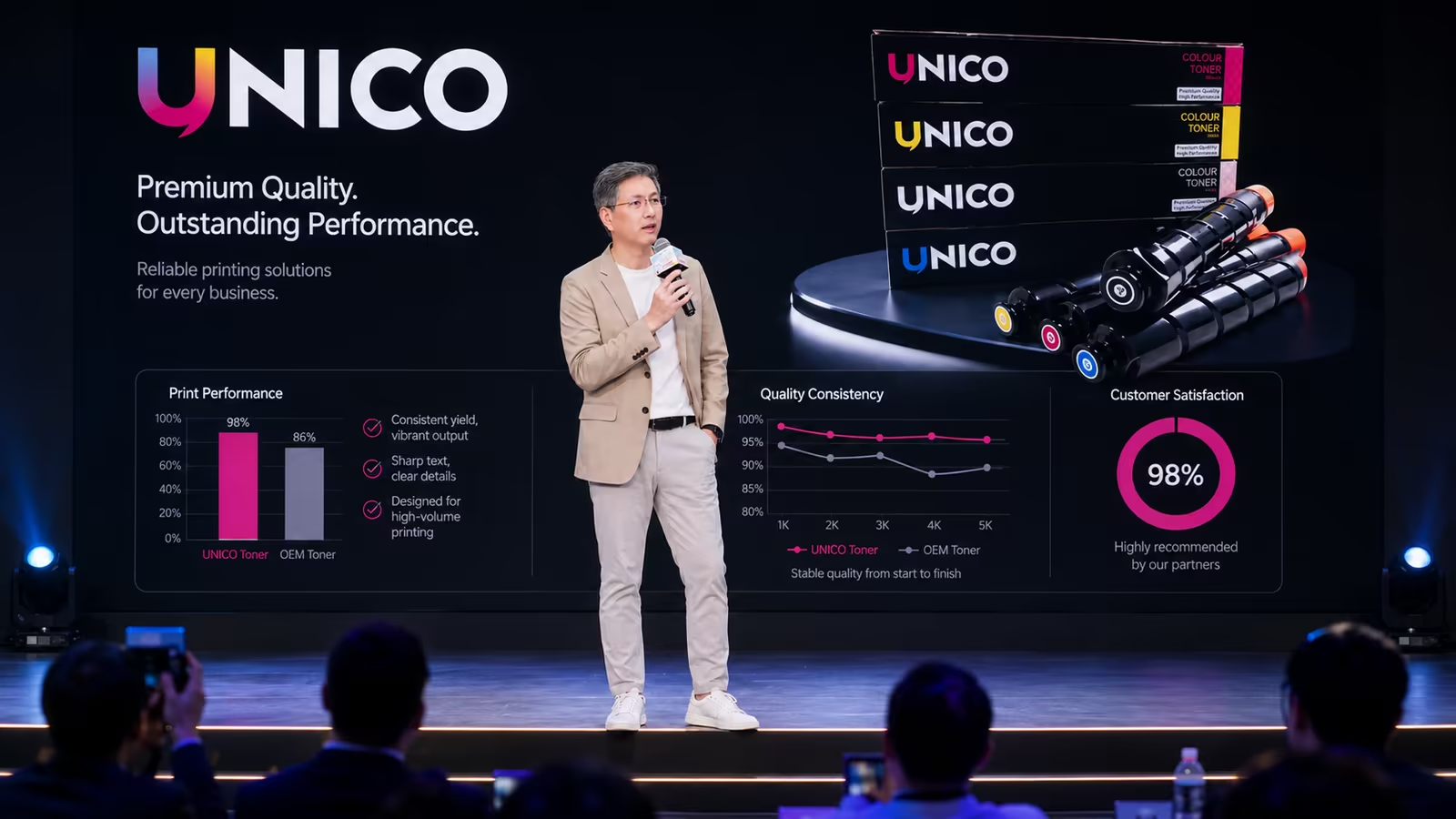
Mr.
Quincy has an interesting background.
Originally from Shenyang in northern China, he moved to Singapore at a young age and became a Singaporean citizen.
He dedicated his career to chemical and technological topics related to printing consumables.
He later returned to China with international experience and began developing the UNICO brand, retaining a Singaporean business culture and an international management approach.
This is an important detail. With UNICO, we saw a combination of two strong assets: a Chinese manufacturing base and a more international approach to management, communication, and quality standards.
The Team as a Sign of Company Maturity
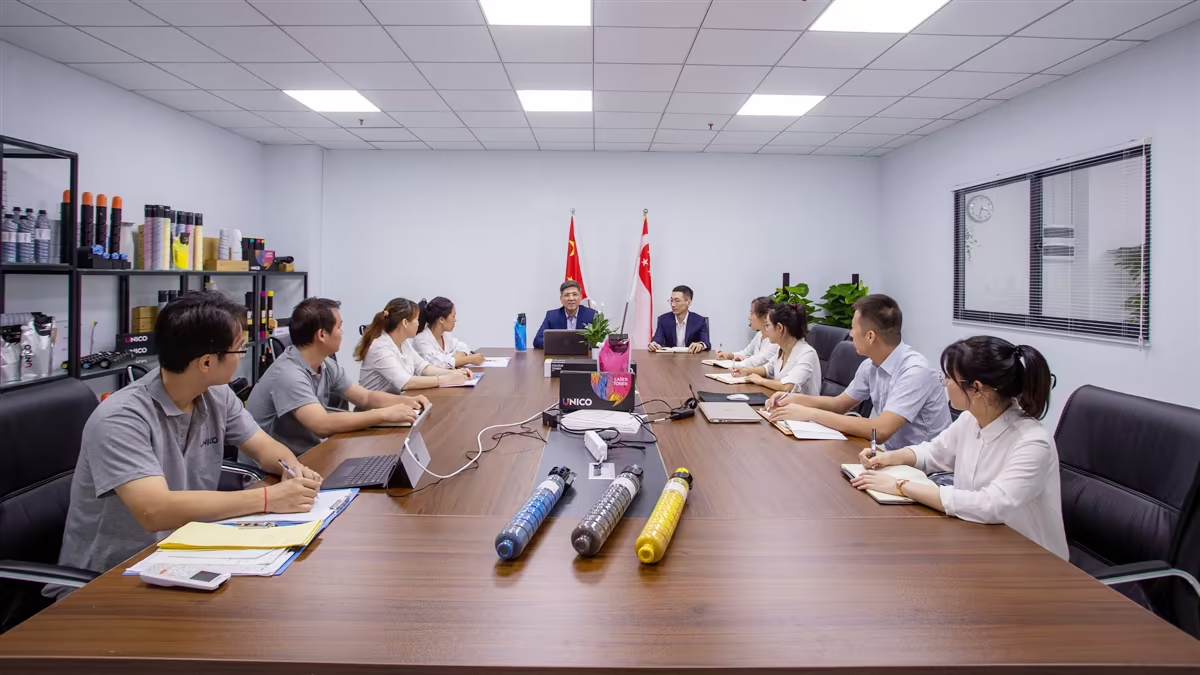
One factor that particularly stood out was the sales and management team.
In typical consumable factories, sales managers are often treated as expendable. People come in, burn out quickly, leave after a year or two, change jobs, and lose motivation. Their job often boils down to mass emailing, handling inquiries, and constantly chasing new buyers.
At UNICO, the picture was different.
The head sales manager has been with the company for about 12 years. For a Chinese export factory, this is a very strong indicator. It speaks not only to staff stability but also to the company's internal culture. If key employees stay long-term, it suggests a professional environment, clear processes, respect for the team, and long-term thinking.
We also saw that the company conducts systematic work with its managers. There are regular meetings to discuss clients, tasks, quality, inquiries, and problems. Sales here don't look like a chaotic price list blasting. It's more like working with B2B clients, where understanding the product, market specifics, and the buyer's real needs is essential.

It's also worth noting the level of English proficiency.
English is spoken not only by sales managers but also by staff in procurement, quality, and technical roles.
For an international client, this is crucial.
When a technical question passes through several layers of misunderstanding, the risk of error increases sharply.
At UNICO, communication was significantly cleaner and more professional than at most manufacturers we inspected.
The company's personnel standards were also high. This is felt not just in words but in the office atmosphere. There was a working harmony: no chaos, no randomness, no feeling that the factory was just living for today's order.
Why a Strong Factory Can Be Hard to Find Online
The most interesting part of this story is that UNICO Imaging didn't look like the most obvious candidate on the internet.
On Alibaba and other platforms, they might have seemed like just one of many factories. They didn't have aggressive marketing, loud promises, or excessive visual packaging often used by companies trying to compensate for product weakness with advertising power.
This was an important observation.
In China, the best supplier isn't always the one with the strongest online presence. Sometimes a strong factory is busy with production, distributors, and existing clients, not endless advertising. These companies are harder to find, but they often prove to be more reliable.
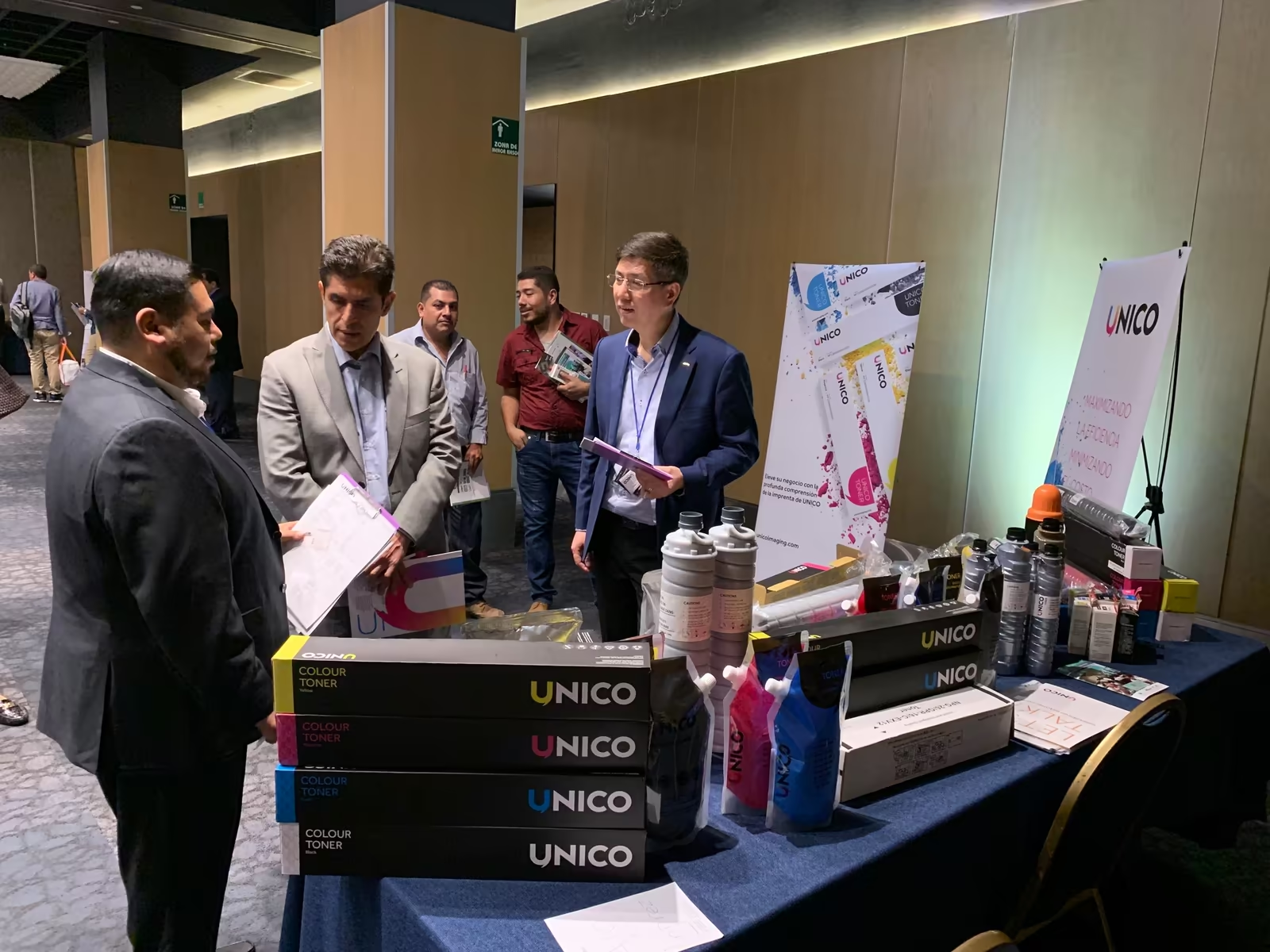
According to company representatives, a significant part of UNICO's business is built through a distribution network. The company has partners in various countries, including Sri Lanka, Egypt, Kenya, Thailand, and other markets. This means the product has been tested not in a presentation, but in real commercial use.
For a B2B supplier, this is a very important signal. If a client buys once, continues working with you, and eventually becomes a distributor, it means the company has passed the ultimate test: the repeat purchase test.
Marketing can bring a client in once. But only quality, service, and stability make them stay.
Where UNICO Imaging's Real Strength Lies
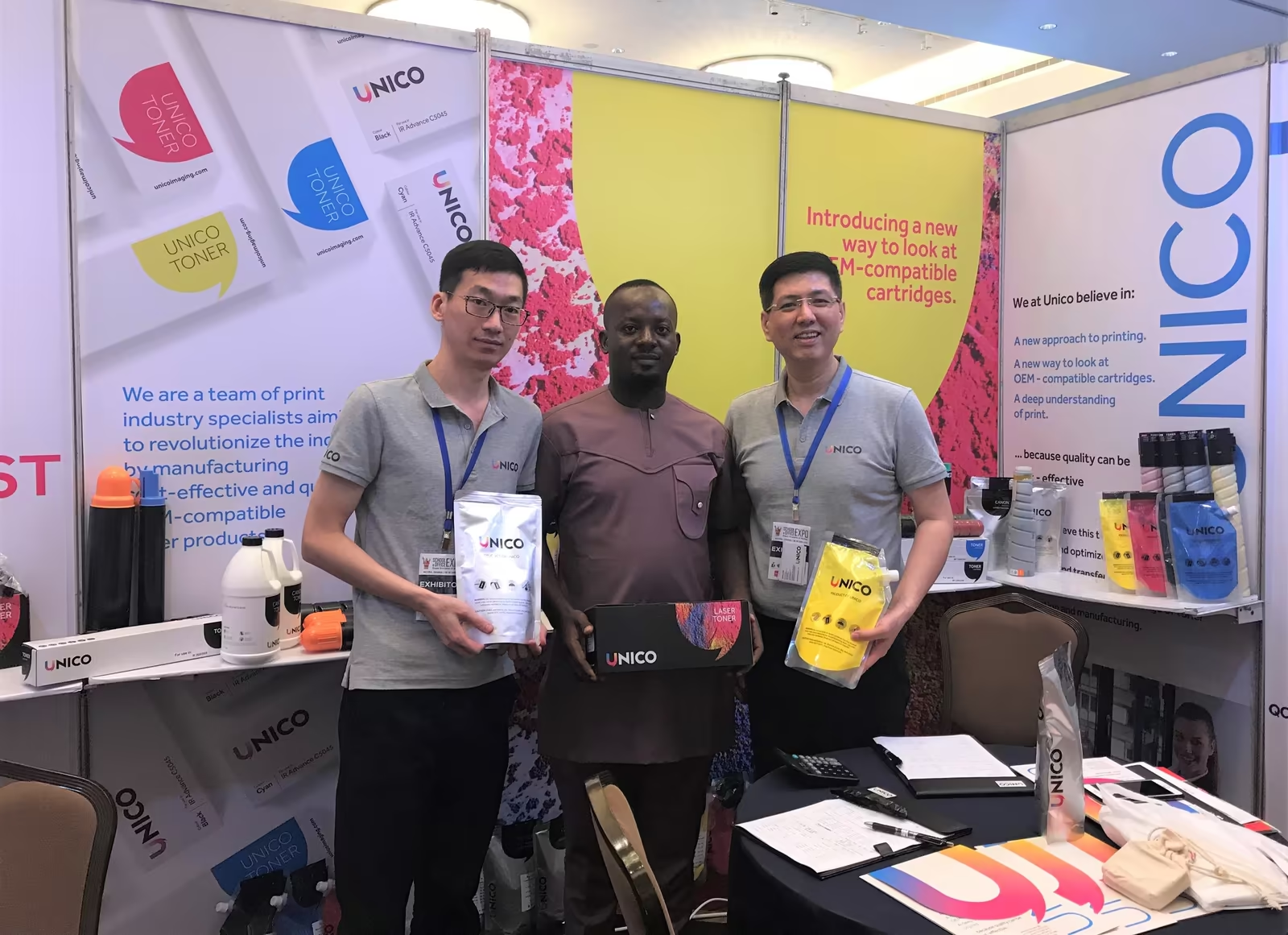
After the visit, it became clear that UNICO's weakness wasn't the product or production. The weakness was brand visibility in the international market.
The company gave the impression of a strong technical player that had long developed through quality, repeat clients, and distributors, but hadn't actively marketed itself online. For today's market, this is a problem because many buyers first see not the best factory, but the most visible one.
This is why UNICO Imaging is an interesting case.
This isn't a story about another Chinese factory deciding to export. It's about a company that already had the production base, experience, team, clients, and distributors, but needed stronger international packaging, an SEO strategy, and digital infrastructure.
For China Global Hub, these cases are particularly telling. We often see manufacturers in China that are objectively stronger than their competitors in terms of product, but lose out in marketing, packaging, SEO, and international communication. As a result, an international buyer might pass over a quality supplier simply because they are less visible in the digital space.
UNICO was exactly this example: a factory with a strong internal system but an underdeveloped international image.
Why This Matters for Toner and Cartridge Buyers
For distributors, service companies, and corporate buyers, choosing a compatible consumables manufacturer isn't just about the purchase price.
In practice, a buyer must consider other factors:
- Will quality be consistent in the second, third, and fifth shipment?
- How does the factory test device compatibility?
- How is page yield controlled?
- Is there a clear testing system?
- Who handles claims and complaints?
- Does the supplier know how to work with international clients?
- Is the team stable?
- How quickly and professionally are technical issues resolved?
- Will a cheap product create more costs than savings?
Cheap toner can look attractive at the time of purchase. But if it leads to customer complaints, service visits, dirty prints, inconsistent yield, and loss of trust, it becomes expensive.
Conversely, high-quality compatible toner can offer real savings compared to OEM, but only if it comes from a manufacturer that understands its responsibility to B2B clients.
This is why in this niche, you need more than just a supplier; you need a production system.
What This Case Shows About Working with China
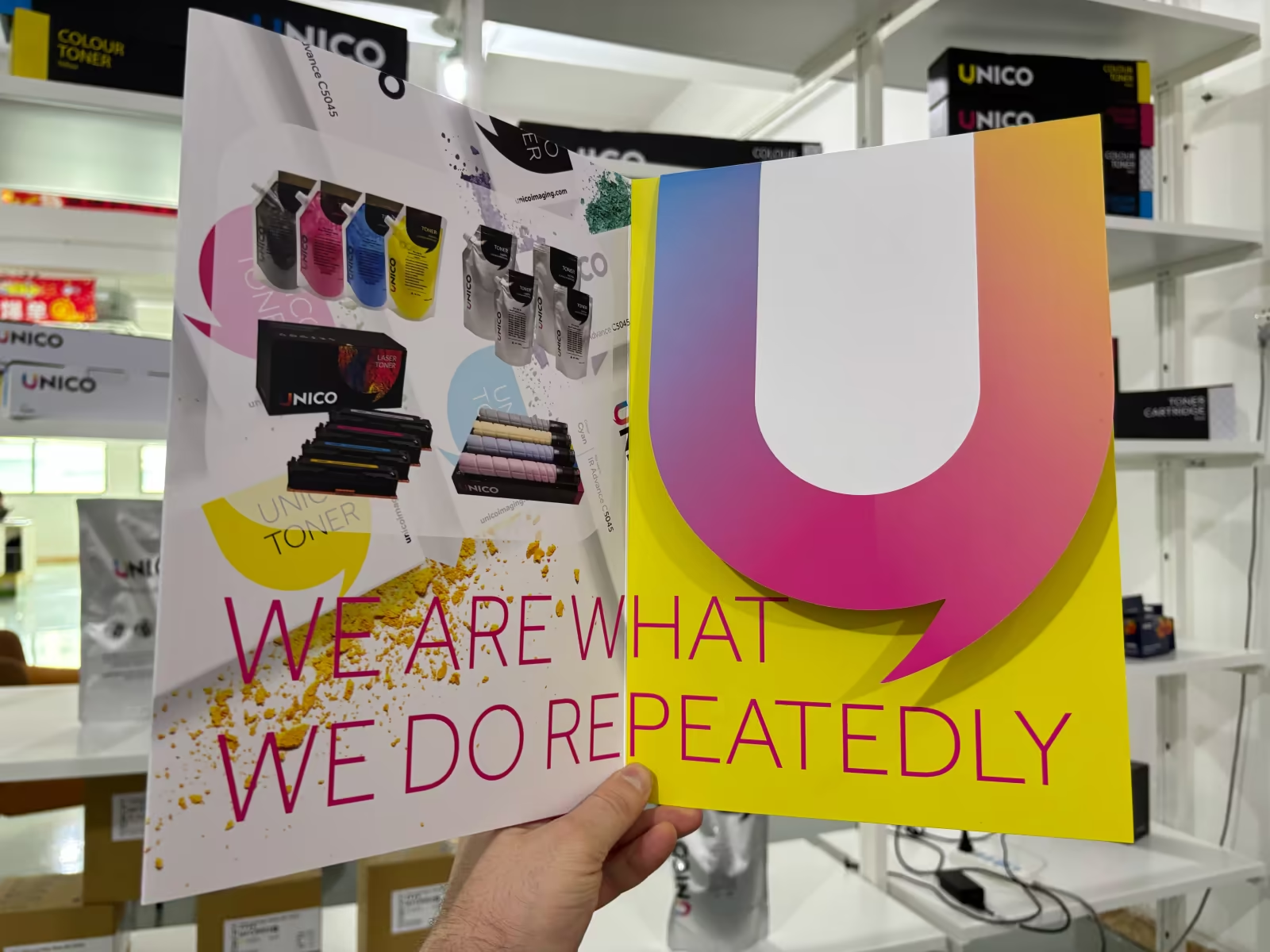
The story with UNICO Imaging clearly illustrates a key principle of working with the Chinese market: in China, you can almost always find the product you need, but it's not always easy to find the right manufacturer.
Platforms, catalogs, and online searches only provide the first layer of information. True understanding comes after audits, negotiations, factory visits, team evaluations, process assessments, and comparing multiple candidates.
If we had limited our search to the internet, UNICO might have remained just another company on a list. But after a real-world check, it became clear that we were dealing with more than just another compatible consumables manufacturer. This was a company with a more mature culture, a strong team, and a long-term approach to B2B supply.
For China Global Hub, this case was an important reminder: sometimes the best result is found not where the advertising is loudest, but where the production, team, and discipline are strongest.
Conclusion
UNICO Imaging became for us an example of a Chinese manufacturing company that cannot be judged solely by its online visibility.
On the surface, it might look like one of many toner and cartridge producers.
But a deep dive revealed factors rarely found together: a professional owner, international management experience, a stable team, a strong production base, quality control, a distribution model, and a high level of communication.
These are the types of companies that interest the international market.
For buyers, this means one thing: when choosing a supplier in China, it's important to look beyond price and a slick presentation. You need to check who stands behind the product, how production is organized, how stable the team is, how the company handles quality, and why its clients keep coming back.
In UNICO Imaging's case, the answer was compelling enough: a company hard to spot amidst the noise of the Chinese market turned out in practice to be one of those manufacturers worth doing a deep audit for.
For international B2B clients, this is perhaps the main lesson: a good supplier isn't always the loudest. Sometimes you have to find them, check them, and understand them.