Chinese Canal: Construction of a New Maritime Route and Its Impact on Global Trade
China is actively promoting the construction of the Chinese Canal, which is intended to be an alternative to the Suez Canal and provide faster and safer routes for international trade. The project includes modern deep-water routes, automated navigation systems, and new logistics hubs, significantly increasing capacity and reducing the risks of blockages of traditional shipping routes. Advantages of the project: Acceleration of cargo delivery by 10–15% Expansion of China’s control over global trade flows Reduction of dependence on the Suez Canal and other strategic routes Experts note that the implementation of the Chinese Canal has the potential to change the geopolitical balance in global shipping and strengthen China’s position as a leading maritime power.
Article
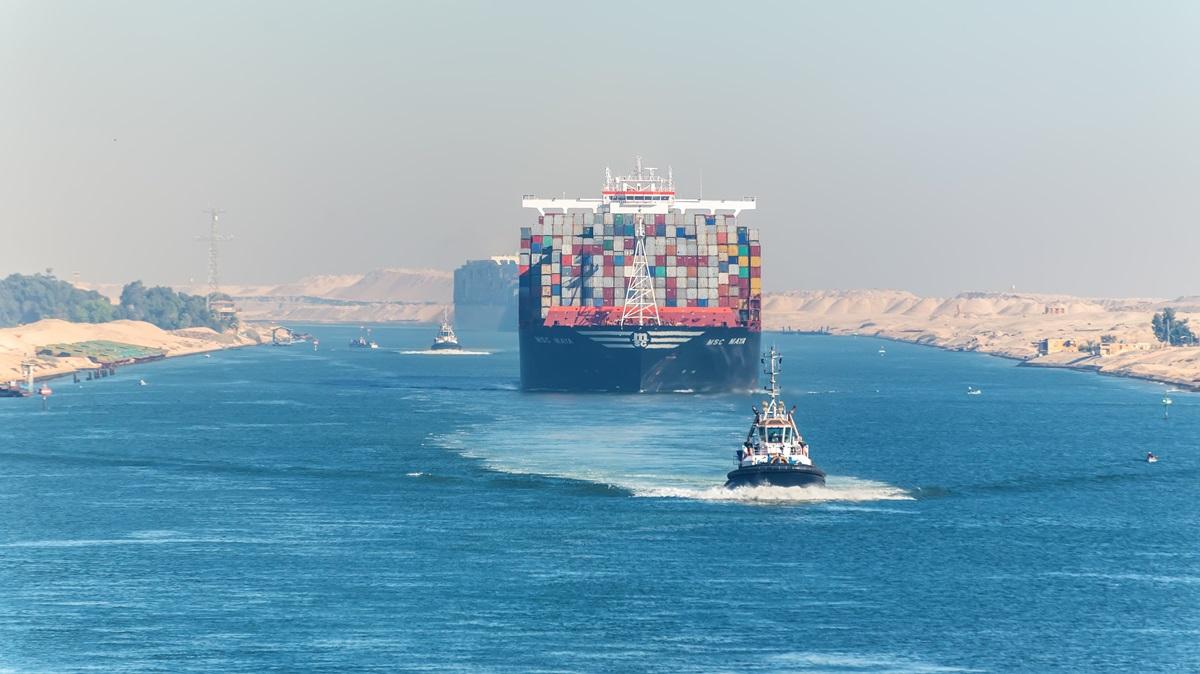
China has begun construction of a new maritime canal that could serve as an alternative to the Suez Canal and significantly change global trade routes. The project has already generated interest among experts in logistics, economics, and geopolitics.
Reasons and Goals of the New Canal Construction
China’s desire to strengthen its influence on global trade and reduce dependence on strategically important routes, such as the Suez Canal, has become a key motivation.
The main goals of the project:
- Ensuring control over alternative maritime routes.
- Reducing the risks of delays and blockages in cargo transportation.
- Supporting the large-scale initiative “One Belt, One Road” through the creation of new logistics corridors.
Experts estimate that the canal will reduce container delivery times by 10-15%, especially between Asia and Europe.
Technical Features of the New Canal
Length and Infrastructure
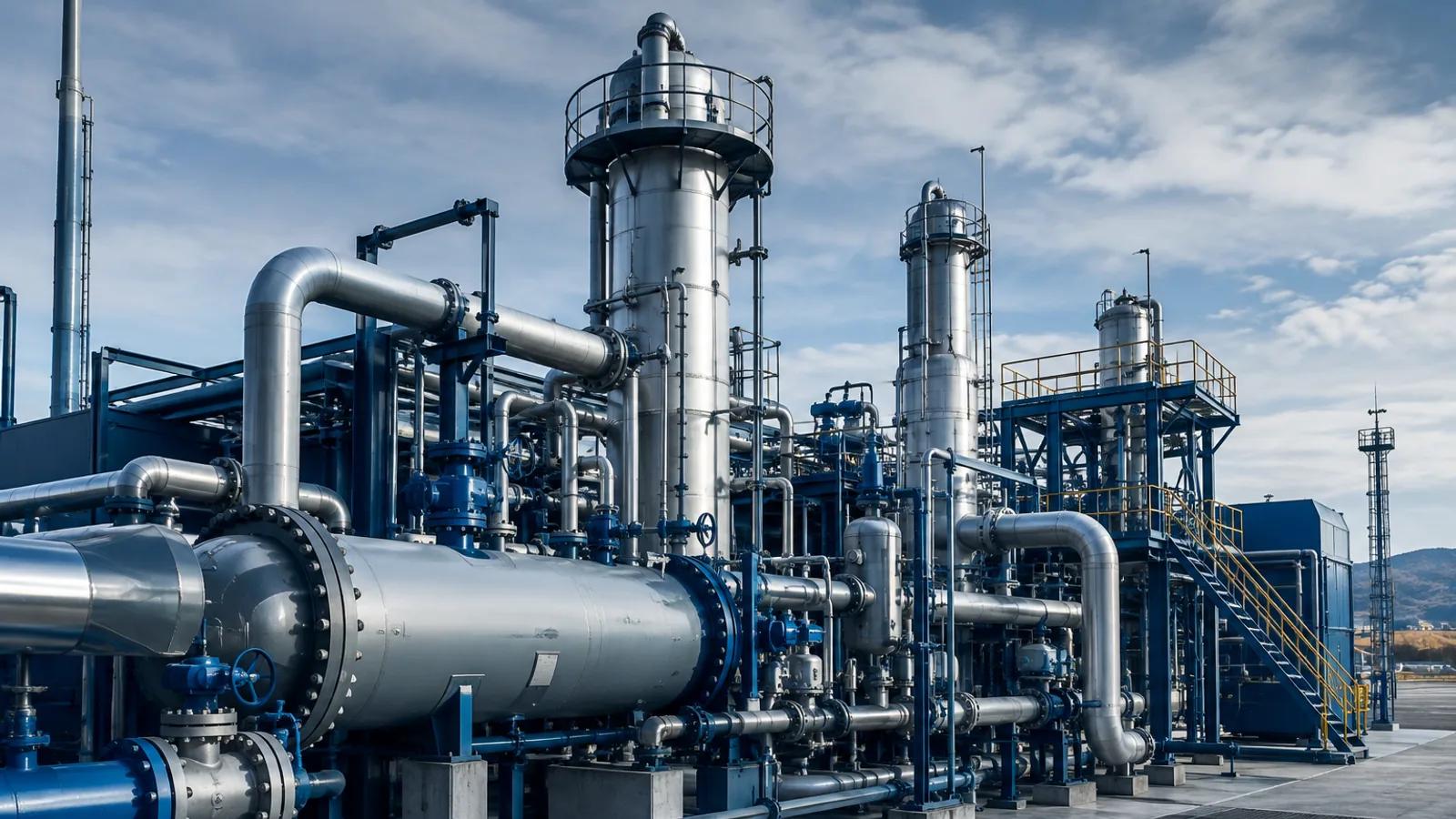
The project envisions the construction of a modern deep-water canal approximately 120-150 km long, with the capability to accommodate supertankers and next-generation container ships.
Innovations and Technologies
- The use of automated navigation systems.
- Implementation of energy-efficient dredging.
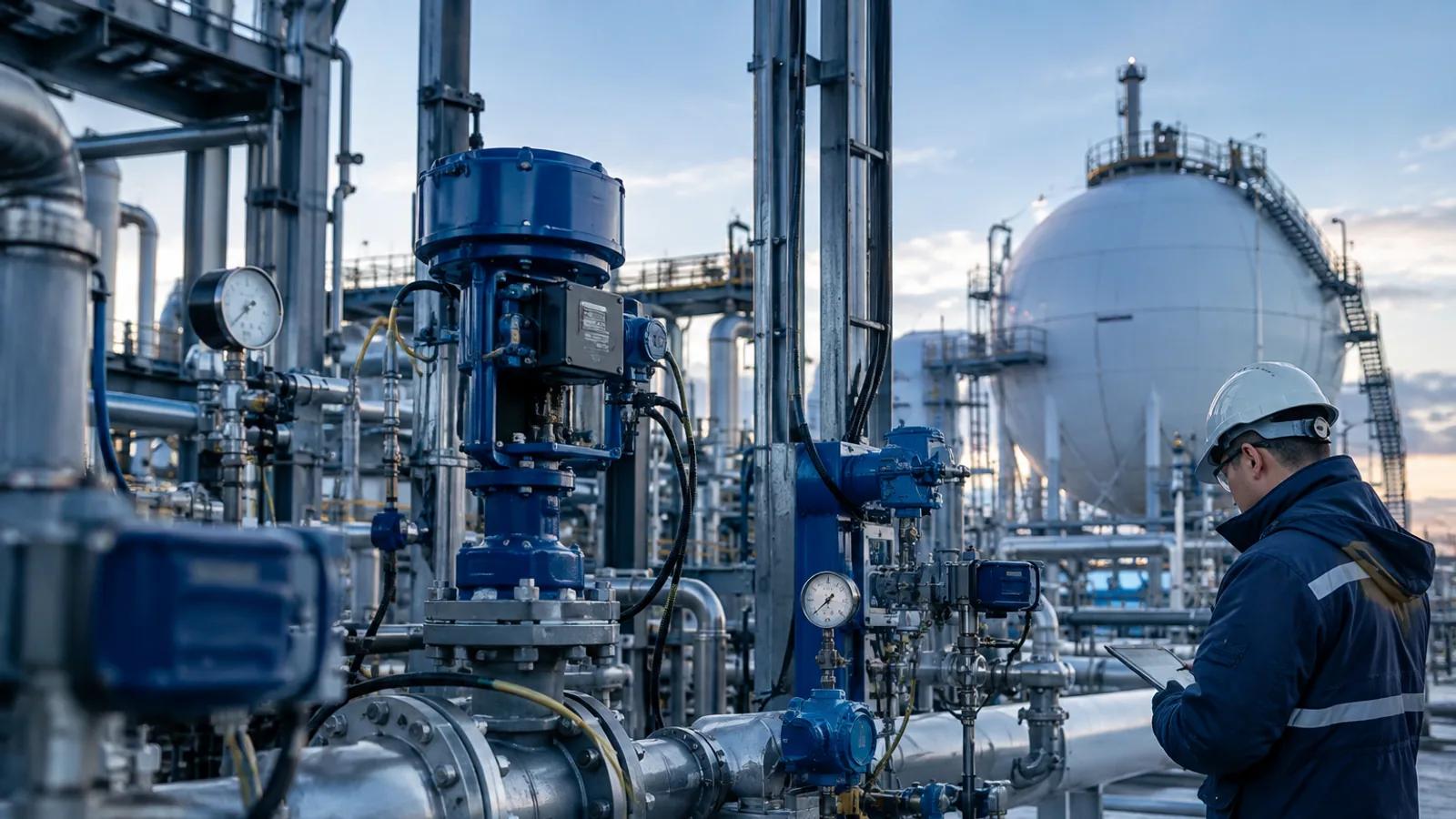
- Modern logistics hubs to speed up cargo transit.
Potential Effect: increase throughput to 100-150 million tons of cargo annually.
Geopolitical Consequences
The construction of the new canal could change the balance of power in global trade:
- China is strengthening its position in maritime logistics.
- The Suez Canal is losing part of its transit traffic, which could affect Egypt’s revenues.
- Increased competition between maritime and ground routes, including railways through Central Asia.
Analysts predict an increase in China’s influence on supply chains in Europe, Africa, and the Middle East.
Economic and Trade Analytics
- China is actively investing in infrastructure, estimated at $30-50 billion.
- According to industry research, the new canal could handle up to 15-20% of global container traffic.
- Companies operating in Asia are already considering redirecting some cargo flows to optimize logistics.
Advice for Businesses: monitor project updates and analyze potential reductions in shipping costs via alternative routes.
Conclusions and Forecasts
The new Chinese canal is a strategic move to strengthen the country’s economic influence. It not only reduces dependence on the Suez Canal but also opens new opportunities for international trade.
Forecast: by 2030, the canal could become a key route for Asia and Europe, creating competition for the Suez and Panama Canals, as well as stimulating the development of port infrastructure in the region.