Contemporary Chinese Artists: Emerging Names & Trends
Discover contemporary Chinese artists shaping global art. Explore emerging names, digital innovation, and the fusion of tradition and modernity.
Article
Contemporary Chinese artists are taking center stage on the global art scene.
Their works merge centuries-old traditions with cutting-edge technology, creating a unique artistic language.
Since 2010, the number of Chinese artists featured in international exhibitions has risen by over 65%, reflecting growing global interest in their work.
Innovations in digital art, VR, and NFTs allow these emerging names to reach audiences worldwide, establishing China as a major force in contemporary art.
This article explores the key figures shaping modern Chinese art and their global influence.
Who is shaping the future of Chinese art?
Miao Ying
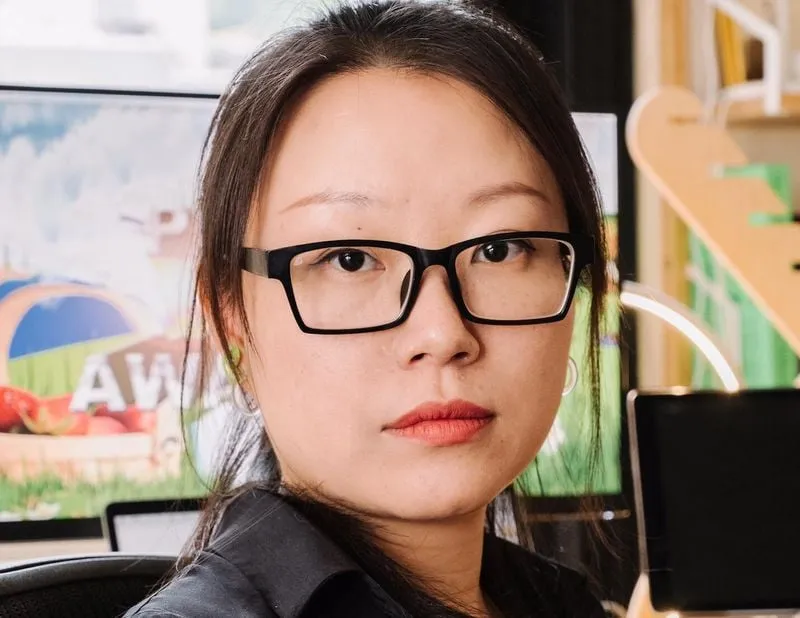
Miao Ying is a leading figure in China’s digital art scene. Born in Shanghai in 1985, she explores internet culture and the influence of social media on contemporary art. In 2019, her works were showcased at Art Basel Hong Kong, attracting over 50,000 visitors. Miao Ying experiments with interactive projects, redefining digital spaces as an artistic medium.
Lu Yang
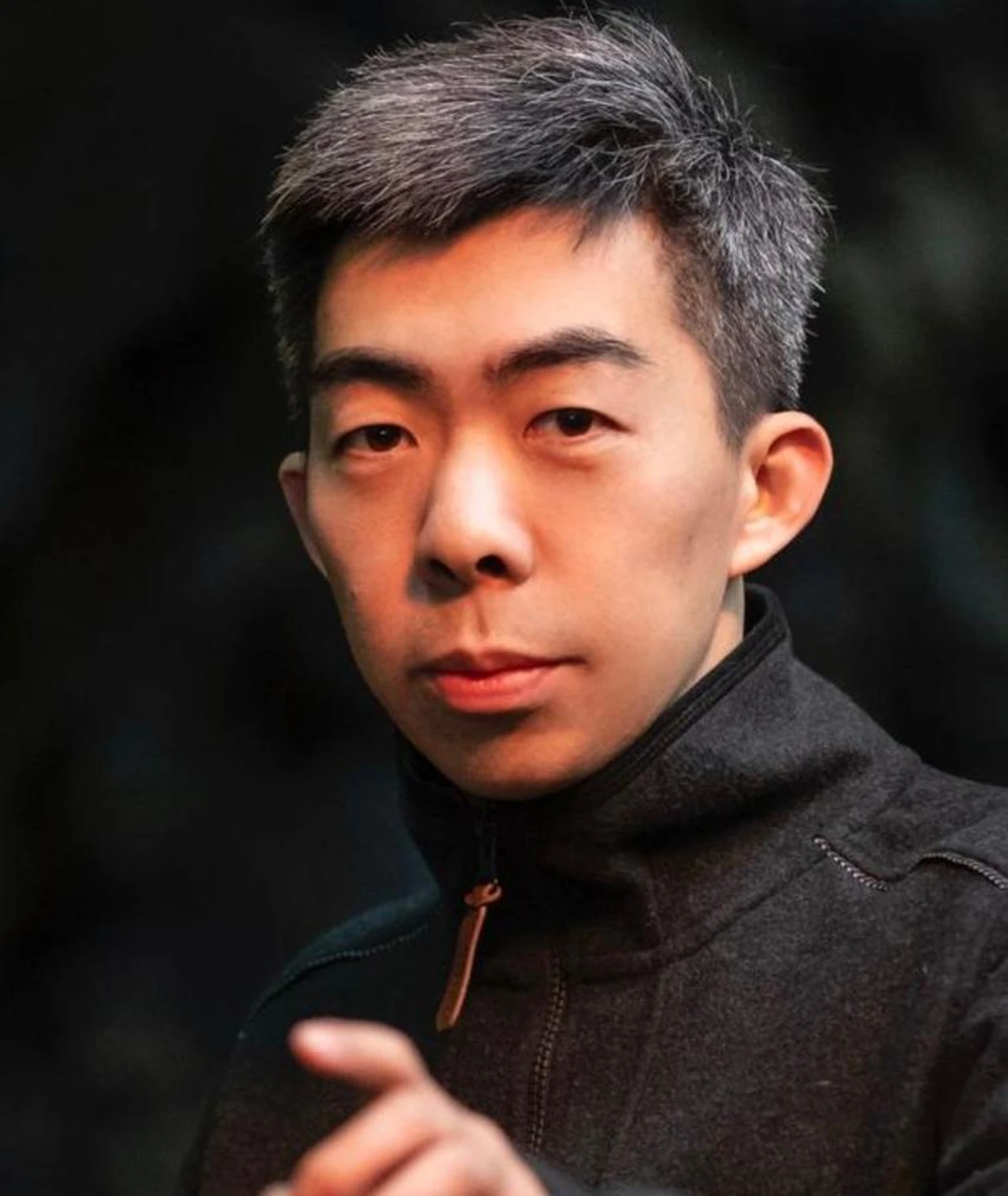
Lu Yang, born in 1984 in Shanghai, is renowned for VR installations and animation projects that combine science fiction with traditional Chinese mythology. His 2022 exhibition “Future Tao” drew more than 120,000 visitors in Berlin and New York. Lu Yang’s multidisciplinary approach and use of 3D modeling position China at the forefront of innovative global art.
Cai Guo-Qiang
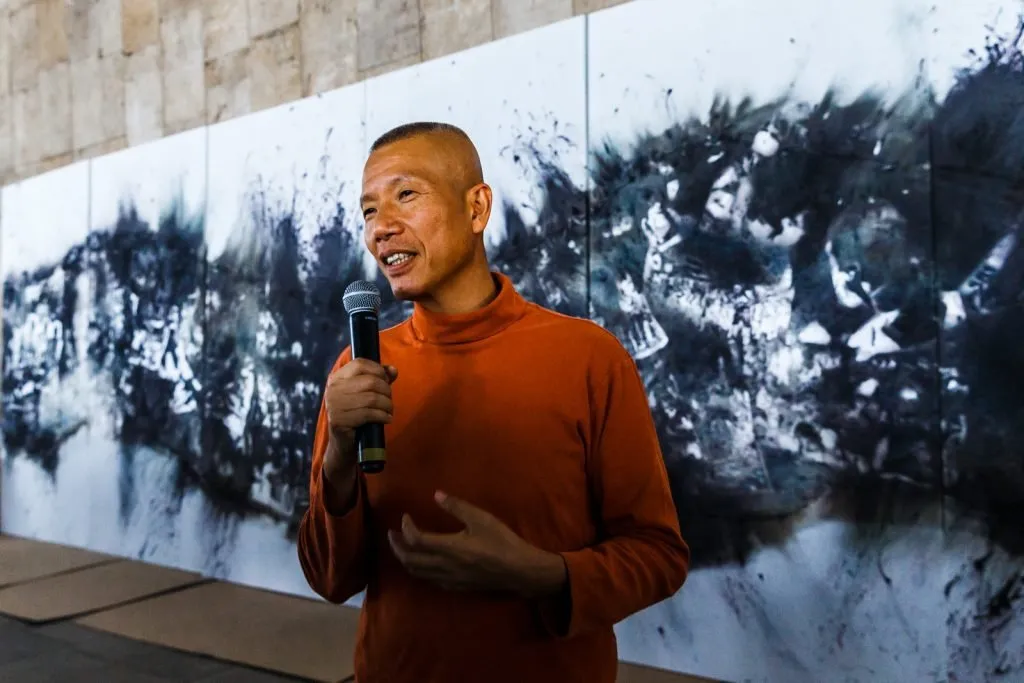
Cai Guo-Qiang, born in 1957, is a master of large-scale art installations, particularly using pyrotechnics. His work “Sky Ladder” captivated over 2 million viewers worldwide. Cai blends traditional Chinese philosophy with modern technology, creating breathtaking works that symbolize the intersection of culture, science, and art.
Tradition meets innovation
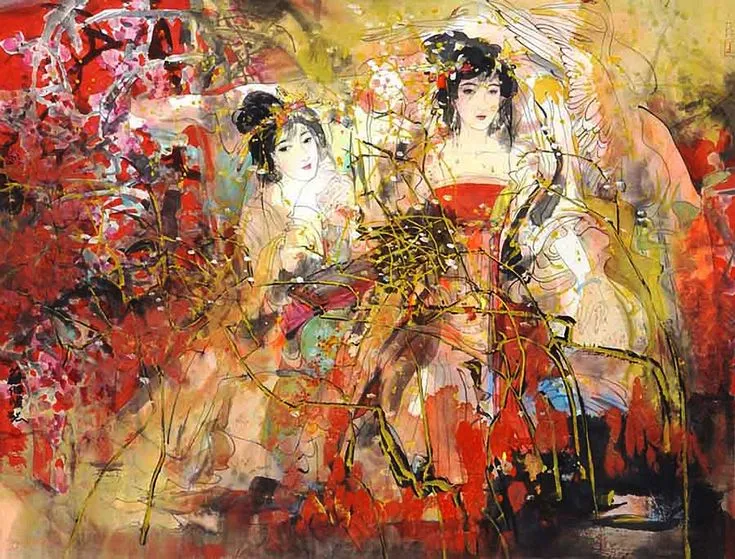
Contemporary Chinese artists maintain strong ties to the country’s rich artistic heritage. Calligraphy, classical painting, and mythological motifs often serve as the foundation for new media projects. According to the China Art Market Report 2023, about 72% of contemporary Chinese artists integrate traditional elements with modern techniques and digital media.
For example, Miao Ying’s digital installations blend internet memes with ancient mythological stories in interactive formats. Lu Yang incorporates mythological figures in VR environments, providing viewers with immersive experiences that bridge past and present.
Global recognition
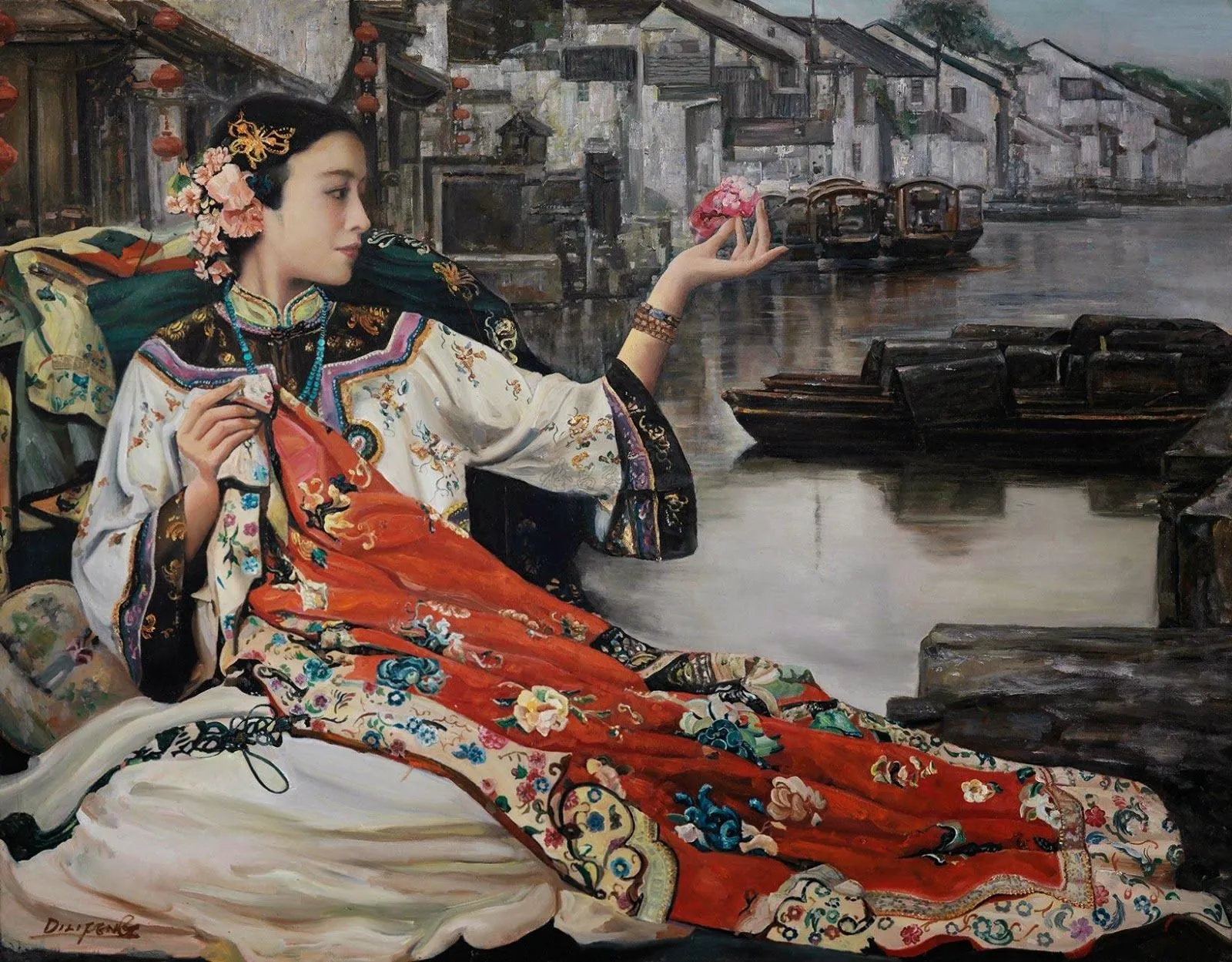
Chinese contemporary art is rapidly gaining international recognition. In 2022, Chinese artists accounted for 35% of all lots at major global art auctions (Christie’s, Sotheby’s), with total sales reaching $1.2 billion. Exhibitions in London, New York, and Venice confirm China’s status as a global leader in modern art.
Interest also extends to digital art: in 2023, NFT projects by Chinese artists raised over $50 million on international platforms. This demonstrates that contemporary Chinese artists not only preserve cultural traditions but also create new directions shaping the global art market.
Digital era and the future
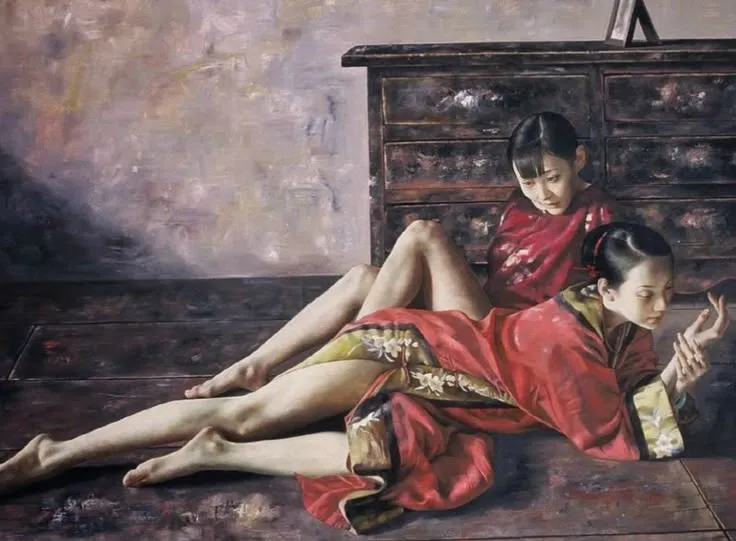
Contemporary Chinese artists are at the forefront of digital innovation, using VR, AR, NFTs, and interactive installations. According to the ArtTactic Digital Art Report 2023, over 40% of new projects in China involve digital media. This allows artists to expand their audience and develop novel forms of engagement.
Projects by Lu Yang and Miao Ying illustrate how traditional cultural elements can thrive in digital spaces, inspiring global audiences and collectors alike.
Influence on global art
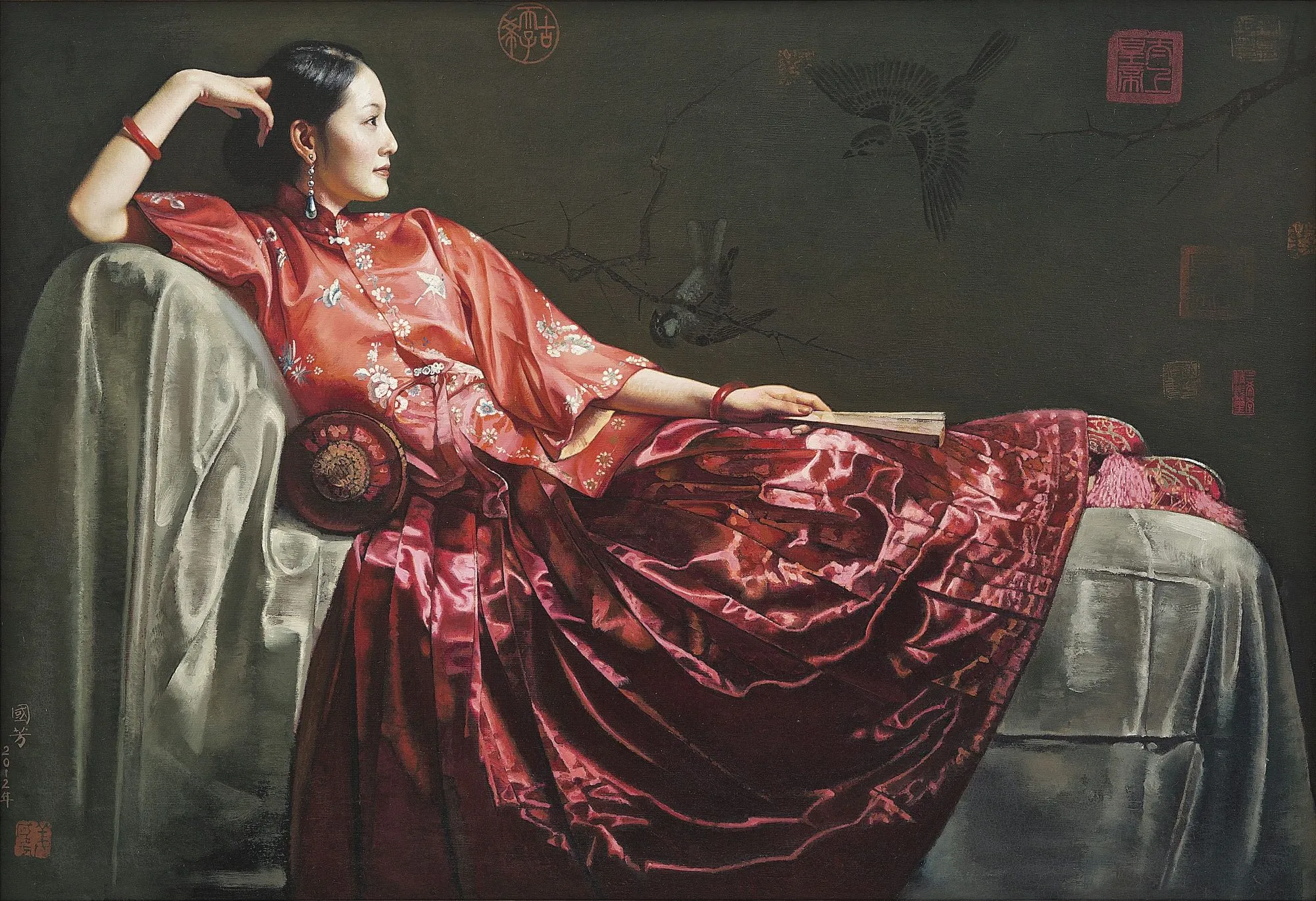
Contemporary Chinese artists exemplify a remarkable fusion of tradition and innovation, extending beyond local boundaries to influence the worldwide art scene. Their work serves as a cultural bridge connecting the past with the future. Exploring new names, digital projects, and creative experiments allows audiences to appreciate the dynamic evolution of Chinese art on a global scale.
Contemporary Chinese artists are taking center stage on the global art scene.
Their works merge centuries-old traditions with cutting-edge technology, creating a unique artistic language.
Since 2010, the number of Chinese artists featured in international exhibitions has risen by over 65%, reflecting growing global interest in their work.
Innovations in digital art, VR, and NFTs allow these emerging names to reach audiences worldwide, establishing China as a major force in contemporary art.
This article explores the key figures shaping modern Chinese art and their global influence.
Who is shaping the future of Chinese art?
Miao Ying
Miao Ying is a leading figure in China’s digital art scene. Born in Shanghai in 1985, she explores internet culture and the influence of social media on contemporary art. In 2019, her works were showcased at Art Basel Hong Kong, attracting over 50,000 visitors. Miao Ying experiments with interactive projects, redefining digital spaces as an artistic medium.
Lu Yang
Lu Yang, born in 1984 in Shanghai, is renowned for VR installations and animation projects that combine science fiction with traditional Chinese mythology. His 2022 exhibition “Future Tao” drew more than 120,000 visitors in Berlin and New York. Lu Yang’s multidisciplinary approach and use of 3D modeling position China at the forefront of innovative global art.
Cai Guo-Qiang, born in 1957, is a master of large-scale art installations, particularly using pyrotechnics. His work “Sky Ladder” captivated over 2 million viewers worldwide. Cai blends traditional Chinese philosophy with modern technology, creating breathtaking works that symbolize the intersection of culture, science, and art.
Tradition meets innovation
Contemporary Chinese artists maintain strong ties to the country’s rich artistic heritage. Calligraphy, classical painting, and mythological motifs often serve as the foundation for new media projects. According to the China Art Market Report 2023, about 72% of contemporary Chinese artists integrate traditional elements with modern techniques and digital media.
For example, Miao Ying’s digital installations blend internet memes with ancient mythological stories in interactive formats. Lu Yang incorporates mythological figures in VR environments, providing viewers with immersive experiences that bridge past and present.
Global recognition
Chinese contemporary art is rapidly gaining international recognition. In 2022, Chinese artists accounted for 35% of all lots at major global art auctions (Christie’s, Sotheby’s), with total sales reaching $1.2 billion. Exhibitions in London, New York, and Venice confirm China’s status as a global leader in modern art.
Interest also extends to digital art: in 2023, NFT projects by Chinese artists raised over $50 million on international platforms. This demonstrates that contemporary Chinese artists not only preserve cultural traditions but also create new directions shaping the global art market.
Digital era and the future
Contemporary Chinese artists are at the forefront of digital innovation, using VR, AR, NFTs, and interactive installations. According to the ArtTactic Digital Art Report 2023, over 40% of new projects in China involve digital media. This allows artists to expand their audience and develop novel forms of engagement.
Projects by Lu Yang and Miao Ying illustrate how traditional cultural elements can thrive in digital spaces, inspiring global audiences and collectors alike.
Influence on global art
Contemporary Chinese artists exemplify a remarkable fusion of tradition and innovation, extending beyond local boundaries to influence the worldwide art scene. Their work serves as a cultural bridge connecting the past with the future. Exploring new names, digital projects, and creative experiments allows audiences to appreciate the dynamic evolution of Chinese art on a global scale.
FAQ
Contemporary Chinese artists are those working with both traditional and digital media, participating in international exhibitions, and shaping global art trends.
The compressor is the core technology unit of an automotive CNG filling station. It directly impacts gas pressure, fill speed, station lifespan, energy...