China Global Hub Launches Gas Power Generation from China: King Power Natural Gas Gensets, CHP Plants and Biogas Generators
China Global Hub is opening a new line of business: industrial gas power generation. We now bring buyers in Africa, the Middle East, South and Southeast Asia, Latin America and Central Asia direct access to King Power (金动发电机), a specialised Shenzhen manufacturer of natural gas gensets, gas engine generators, cogeneration (CHP) plants, biogas generators and containerised power stations. Here is why we chose this factory, what you can order and how to prepare an enquiry that gets you a properly engineered unit rather than a catalogue box.
Article
A new direction for China Global Hub: industrial gas power generation
More and more of our clients need their own electricity: plants with an unstable grid, greenhouse and agricultural complexes with biogas, mines and industrial sites far from a substation, facilities where a grid connection is slow or expensive. In most cases the answer is the same — a natural gas genset or a gas-fired power plant running on pipeline gas, LPG or biogas.
Finding "a gas generator from China" online is easy.
Finding a factory that works at the level of an industrial project is not: one that matches the engine to your gas composition, builds the gas train and controls, load-tests the unit and stands behind the result.
So we spent time on supplier selection and visited the production site ourselves.
The result is a new direction for China Global Hub and a manufacturer we are prepared to recommend: King Power (金动发电机) .
Who King Power is — and why this is not a commodity product
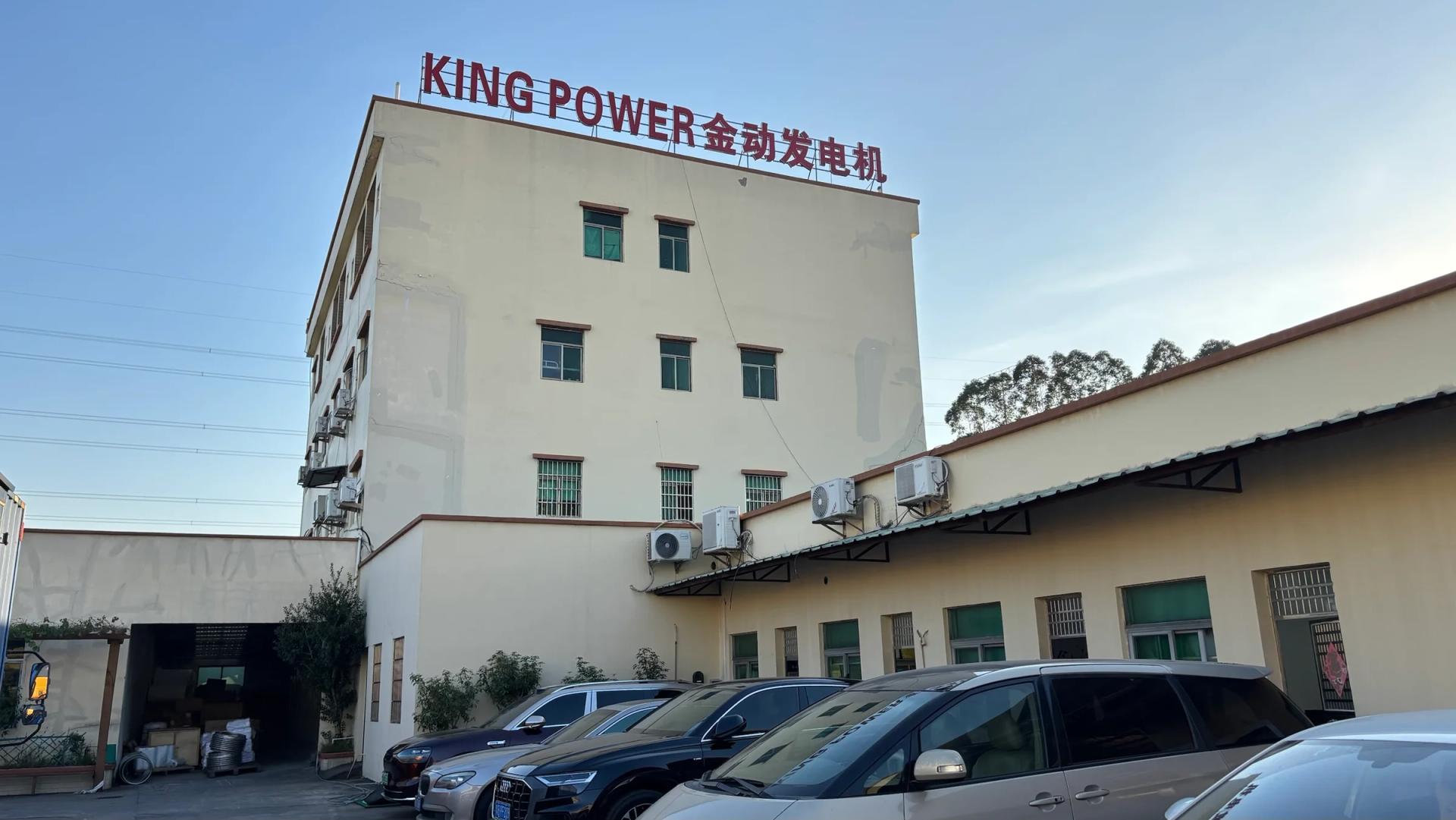
King Power is a generator set manufacturer based in Bao'an District, Shenzhen; the legal entity is King Genset Company Limited.
According to the company, it has been operating since 2004 and specialises in gas and diesel generator sets — running on natural gas, biogas, coal-bed methane and LPG — as well as related equipment: exhaust after-treatment (SCR, DPF), silencers, transformers and spare parts.
The manufacturer states a single-unit output range of 8 to 4,300 kW.
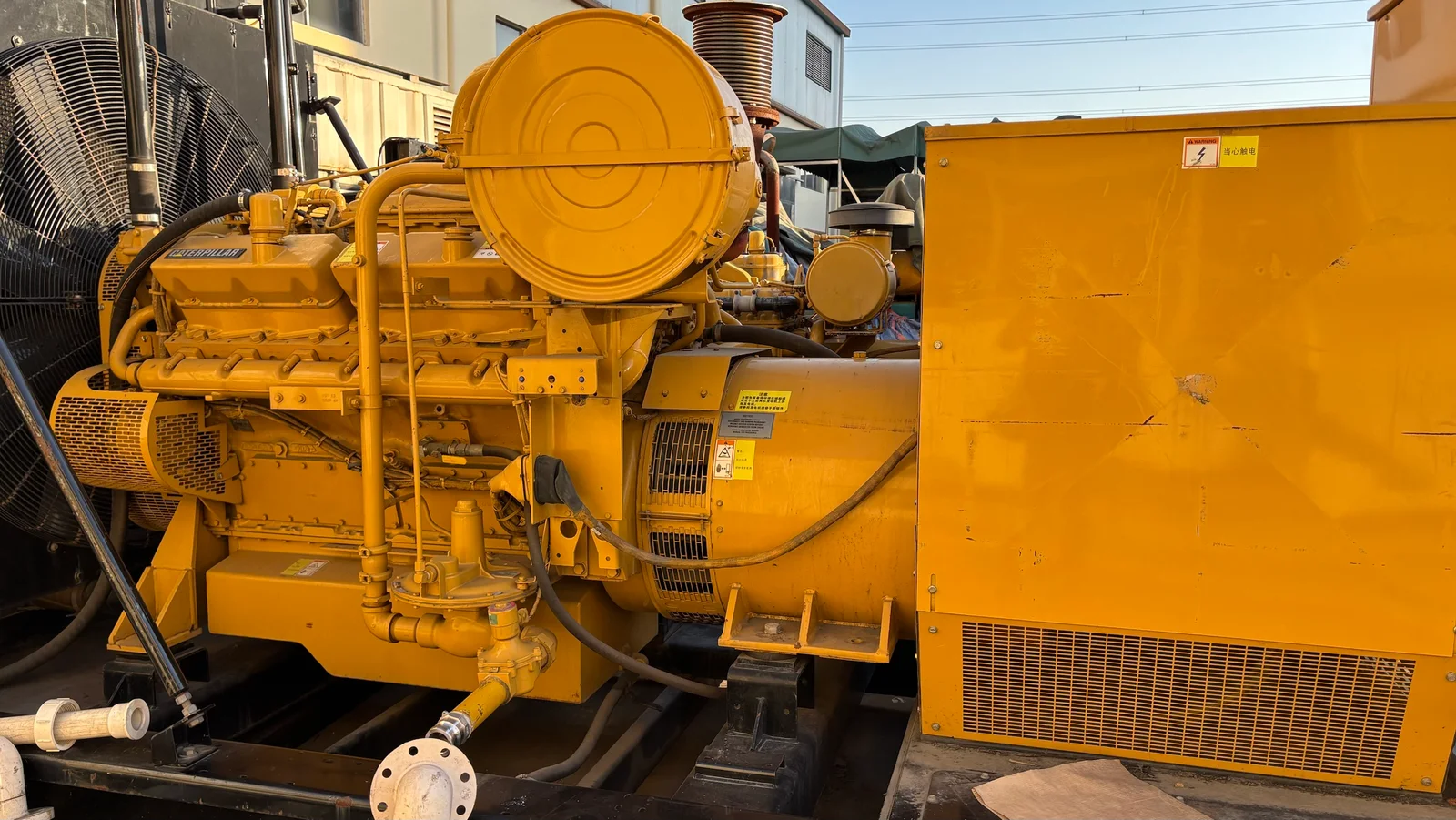
What we saw on site, and what sets this factory apart from the mass market:
- Industrial gas engines. Gas engine gensets built on Caterpillar engines — equipment designed for long running hours, not a converted gasoline engine sold as a "natural gas generator".
- Engineering around the engine. Gas train with pressure regulators, cooling, controls and the exhaust line are assembled as one system.
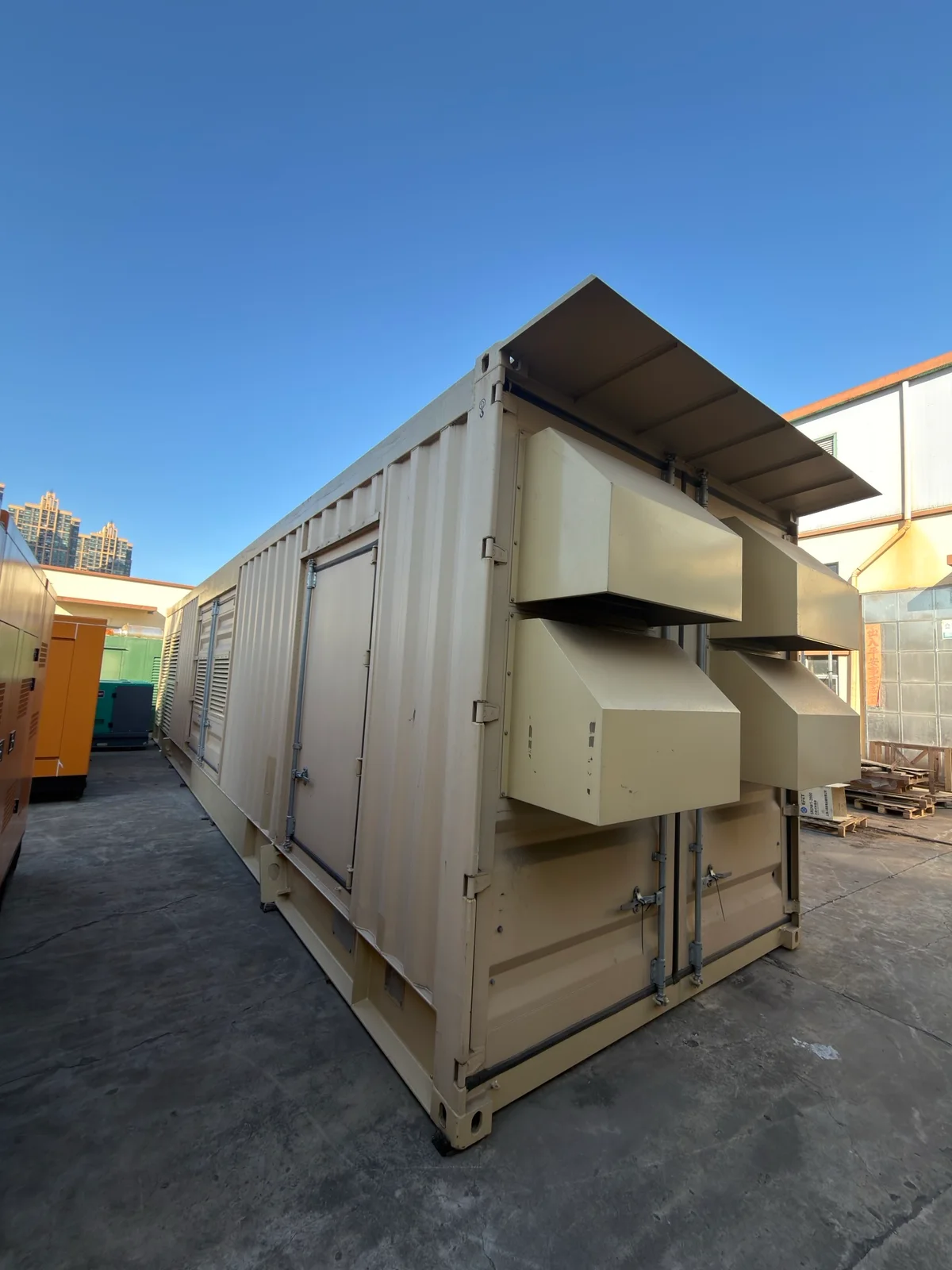
- Enclosure options for the site: open skid, sound-attenuated canopy (Silent series) and containerised power stations with external ventilation hoods for outdoor installation.
- In-house emissions hardware. The factory makes its own exhaust after-treatment (SCR, DPF) and silencers — important where projects have emission or noise limits.
- Niche specialisation. Gas units and special gases (biogas, coal-mine methane) require competencies that general assemblers usually lack.
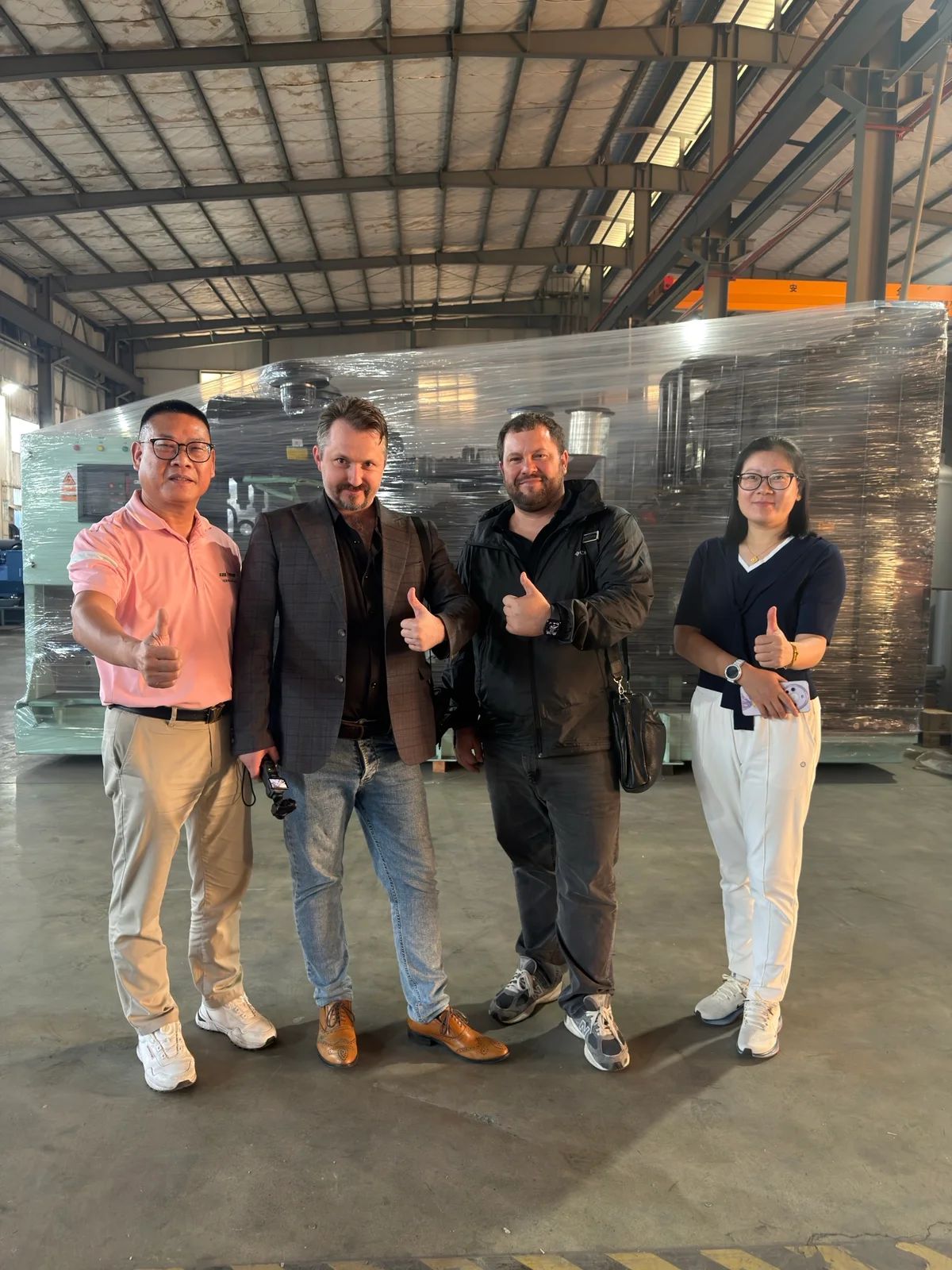
What you can order from King Power through China Global Hub
| Equipment | Typical use | What to clarify |
|---|---|---|
| Natural gas gensets and gas power plants | Prime or standby power for plants, industrial sites, data centres | Gas pressure and composition, operating mode, grid parallel |
| Cogeneration units, CHP plants (combined heat and power) | Electricity plus heat for factories, greenhouses, district heating | Seasonal heat demand, temperature regime |
| Biogas generators and special-gas gensets | Farms, landfills, wastewater plants, coal-mine methane | Gas analysis: methane, H₂S, moisture, siloxanes |
| Containerised power stations | Remote sites, fast installation without a building | Climate, heating/ventilation, noise limits |
| Silent diesel generator sets | Standby power, sites without gas | Standby or prime, auto-start and ATS |
| Components: exhaust silencers, SCR/DPF, transformers, spares | Upgrading and servicing existing plants | Exhaust flow, allowable back pressure, engine model |
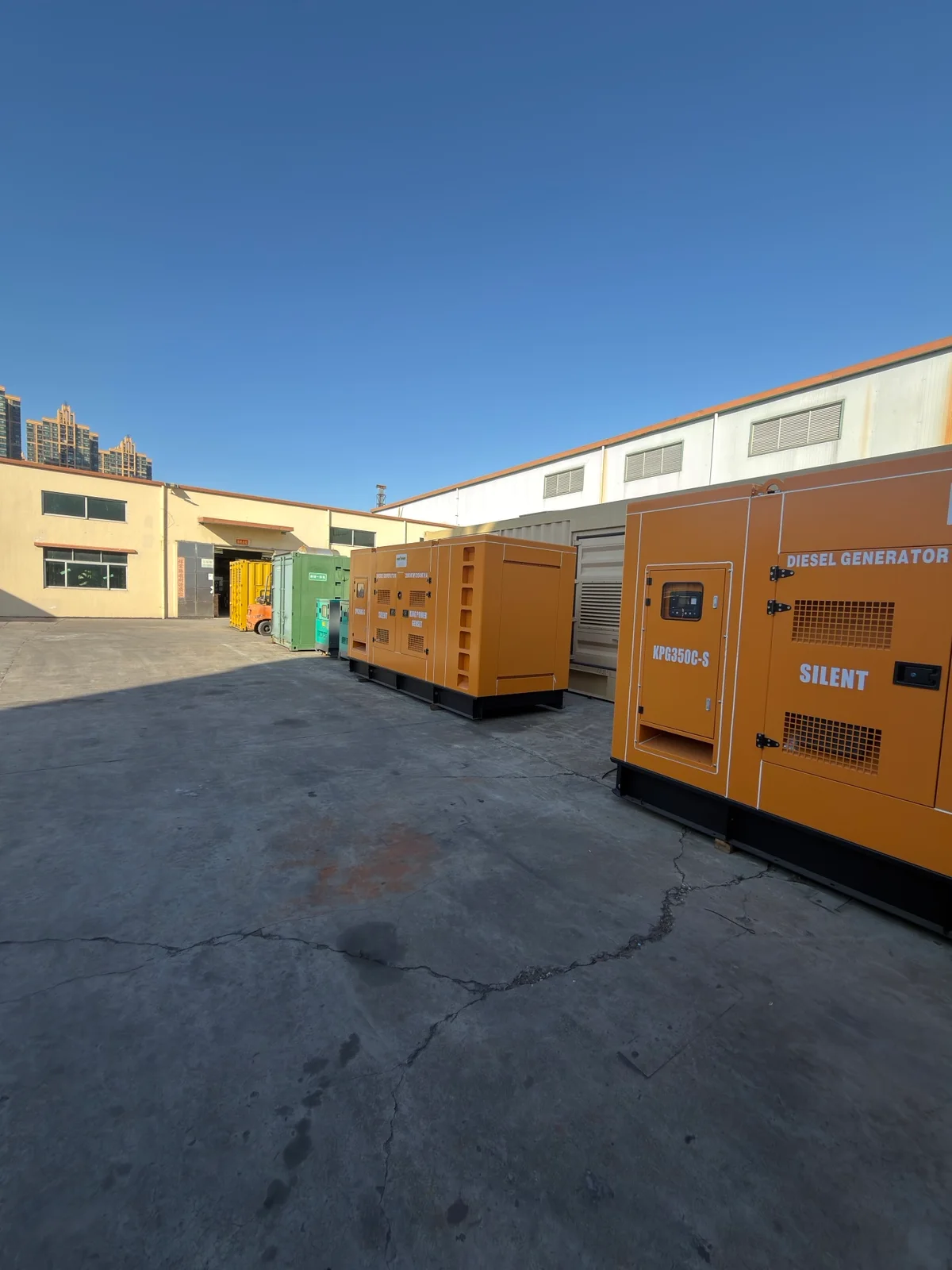
Natural gas genset, gas generator, gasifier: getting the terms right
Search engines mix these words up, and buyers often receive quotes for the wrong equipment:
- "Gas generator" in American English often means a gasoline generator. For industrial projects, say natural gas genset, gas engine generator or gas generator set.
- Gas engine generator set — an industrial reciprocating gas engine coupled to an alternator, with cooling, gas conditioning and controls. A gas power plant is one or several such units.
- Gasifier / gasifier generator — equipment that produces combustible gas from wood, biomass or coal (gasification). That producer gas (syngas) can then fuel an engine, but it is a separate technology that needs its own gas-cleaning design.
- Cogeneration (CHP) — a gas genset that also recovers heat from the engine jacket and exhaust; trigeneration adds cooling through an absorption chiller.
King Power works in gas gensets and gas engine power plants, including CHP. If your project is biomass or wood gasification, tell us up front — we source those separately.
Gas engine vs diesel: which fits your project
| Gas engine genset | Diesel genset | |
|---|---|---|
| Best suited for | Continuous (prime) power, CHP | Standby and emergency power |
| Fuel | Pipeline gas, LPG, biogas — no fuel trucking | Diesel storage and deliveries |
| Load acceptance | Accepts load in smaller steps | Takes large load steps well |
| Heat recovery | Natural fit for cogeneration | Possible but less common |
| Emissions | Generally lower particulate emissions | Often needs DPF/SCR for strict limits |
Where gas is available and the plant runs many hours a year, a natural gas genset usually makes more sense. For pure standby, diesel is often simpler. Many sites combine both.
Sizing a gas genset: mistakes that cost money
kW is not kVA
Chinese factories often quote output in kVA. Multiply by the power factor, usually 0.8, to get kW: a 350 kVA unit delivers about 280 kW of active power. Compare offers in the same units.
Prime, standby or continuous
ISO 8528-1 distinguishes prime power (PRP), emergency standby power (ESP) and continuous operating power (COP). A "100 kW standby" unit delivers noticeably less when running around the clock. For gas generation, which usually runs as the main source, size on prime or continuous ratings.
Load steps
Gas engines accept block loads less readily than diesels. Large motors, compressors or crushers with high starting currents must be considered: two 500 kW units are sometimes a better solution than one 1 MW unit, or soft starters may be needed.
Gas quality, altitude and heat
Gas engine output depends on gas quality (methane number, heating value), site altitude and ambient temperature. In hot climates — the Gulf, Africa, South Asia — and at high-altitude sites in the Andes or Central Asia, derating must be built into the design, not discovered at commissioning. Also confirm the grid frequency — 50 Hz or 60 Hz — at the start.
Heat is money
The electrical efficiency of gas engine gensets is typically around 35–45%; the rest of the fuel energy becomes heat. A combined heat and power system recovers much of it, so overall fuel utilisation is far higher than with power-only generation. CHP pays back where heat is genuinely needed year-round: process heat, greenhouses, drying, hot water.
Exhaust systems and silencers
The generator exhaust system — silencer, flexible bellows, piping, supports and, where required, SCR or a catalyst — determines noise, back pressure and compliance.
An undersized silencer or a long, poorly designed exhaust pipe extension increases back pressure and reduces engine output.
King Power manufactures exhaust silencers and after-treatment itself, so the exhaust line can be matched to the engine from the start; the factory also supplies these components separately for existing plants.
What to send us for a quotation
- Required electrical output and load profile (daily and seasonal); large consumers with high starting currents.
- Operating mode: prime, standby, parallel with the grid or with other units.
- Gas type and data: inlet pressure, composition (lab analysis); for biogas — H₂S and moisture content.
- Heat demand, if any: hot water or steam, temperatures, monthly profile.
- Site conditions: altitude, minimum and maximum temperature, indoor or containerised, noise limits.
- Voltage and frequency, control requirements (ATS, synchronisation, remote monitoring).
- Destination country and its import and conformity requirements — we define the document set for the specific model.
If some of this is missing, that is fine: our team and the factory's engineers will help you build the technical specification from what you have.
What China Global Hub does in the project
- Specification and selection — we turn your data into a specification the factory understands and compare configurations.
- Direct negotiations with the factory — in Chinese, without a chain of intermediaries, with scope fixed in the contract (interpreting and negotiations).
- Production control and testing — we attend factory load tests and check scope and marking before shipment (quality control in factories).
- Logistics — we arrange cargo transportation from China, including oversized units and containers.
- Factory visits — see the equipment before you buy (business tours in China).
- After delivery — a channel to the factory for spare parts, technical support and commissioning; the factory engineers' involvement is agreed in the contract.
Who this is for
- industrial companies needing their own generation or reliable backup;
- agribusinesses, livestock farms and landfill or wastewater operators with biogas;
- developers building CHP plants for their facilities;
- EPC and energy companies looking for a dependable Chinese OEM partner;
- distributors and dealers of power equipment;
- energy-intensive projects, including data centres, where the cost per kWh matters and gas is available.
How to start
Send us your task in any form: output, gas type, operating mode and destination country. We will come back with questions, work out the configuration with King Power and prepare a quotation with a clear scope of supply. More on how we handle industrial equipment: Search and Supply of Equipment from China.
Mikhail Ansimov, founder of China Global Hub
FAQ
Is a "gas generator" the same as a natural gas genset?
Not always. In American English "gas generator" often means a gasoline generator. Industrial units that run on pipeline gas, LPG or biogas are called natural gas gensets or gas engine generator sets.
What is the difference between a gasifier generator and a gas genset?
A gasifier produces combustible gas from wood, biomass or coal. A gas genset burns gas in an engine to produce electricity. They are different technologies, so specify which one you need.
Which gases can King Power units run on?
According to the manufacturer: natural gas, biogas, coal-bed methane and LPG. Suitability of a specific gas is confirmed by a composition analysis and agreed with the engine manufacturer.
What output range is available?
The manufacturer states 8 to 4,300 kW per single unit. Larger power plants are built from several units running in parallel.
Gas engine or diesel — which is better?
Gas engines suit continuous operation and CHP where gas is available; diesel is usually simpler for standby and large load steps. Many sites use both.
How much does a natural gas genset or CHP plant from China cost?
Price depends on output, engine, enclosure, heat recovery, controls and emission requirements. We do not publish average prices; we prepare a quotation based on your specification.
Can I see the equipment before buying?
Yes. We arrange visits to the King Power factory in Shenzhen and attendance at the factory load test of your unit — in person or via photo and video report.
Do you supply exhaust silencers separately?
Yes. King Power manufactures exhaust silencers and after-treatment (SCR, DPF), which can be supplied for existing plants once the engine model, exhaust flow and allowable back pressure are known.