Chinese Experimental Satellite: Successful Launch 2025
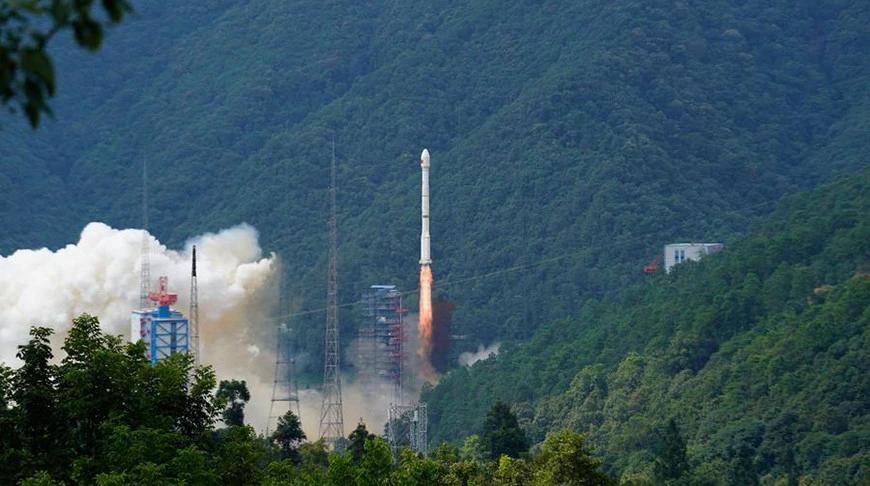
China has successfully launched a Chinese experimental satellite designed for space observation and testing of innovative technologies. This launch strengthens the country’s position in the global space race and opens new opportunities for scientific research and space monitoring.
Article
China successfully launched into orbit the Chinese experimental satellite designed for space observation and testing innovative technologies. This launch strengthens the country’s position in the global space race and opens new opportunities for scientific research and space monitoring.
Chinese Experimental Satellite: A Key Step in Exploring Space
Key Features of the Chinese Experimental Satellite
In 2025, China successfully launched the Chinese experimental satellite intended for monitoring near-earth space and testing new sensors.
Satellite characteristics:
- Mass: about 600 kg
- Orbit: Low Earth Orbit (LEO)
- Tasks: monitoring space, tracking space debris, testing new technologies
- Mission duration: 2–3 years
Technologies and Innovations of the Satellite
The satellite is equipped with advanced systems to provide effective space observation:
- High-precision navigation – stable orbit maintenance for accurate observations
- Modern optical sensors – analysis of spectrum and images of space objects
- Autonomous control – trajectory adjustment without constant intervention from Earth
These technologies enable China to strengthen its position in the field of space innovations, alongside the leading space powers in the world.
Impact on the Global Space Industry
The experimental launch has strategic significance:
- Enhancing China’s scientific and technological potential
- Monitoring and preventing collisions with space debris
- Obtaining data for telecommunications, navigation, and planetary exploration
Analytics: China plans to increase the number of such satellites to 20–30 units by 2030, significantly enhancing its presence in the space technology market.
Statistics and Prospects
- More than 60 successful launches of spacecraft in 2024–2025
- China’s share in the satellite equipment market in Asia is over 40%
- Projected growth of investment in the space industry to $15 billion by 2030
We recommend checking the data on the global space industry on the NASA and European Space Agency
Recommendations for Researchers and Businesses
- Track the development of Chinese space technologies for scientific and commercial collaboration
- Use satellite observation data to analyze the space environment
- Develop solutions to prevent space collisions and improve navigation