China and India Against the US Tariff War: Overview 2025
In 2025, China and India are strengthening bilateral relations against the US tariff war, advocating for fair trade and against protectionism. The Chinese Ambassador to India, Xu Feihong, described the imposed 50% tariffs as unfair, emphasizing the importance of strategic cooperation for the stability of the global economy.
Article
🇨🇳🇮🇳 China and India confront the US tariff war: a diplomatic shift in 2025
Amid global economic instability, China and India are strengthening bilateral relations in opposition to the protectionist policies of the USA. Chinese ambassador to India, Xu Feihong, described the 50% tariffs imposed by the USA on Indian goods as “unfair and unreasonable,” emphasizing that such measures threaten global trade and economic development.
Sharp escalation of trade relations
In August 2025, the administration of US President Donald Trump imposed a 25% tariff on Indian goods and then added another 25% in response to India’s purchase of Russian oil.
This led to a total tariff of 50%, one of the highest among US trading partners.
Indian authorities called these measures “unfair and unjustified,” stating that their energy policy and supply chains are independent and based on the strategic autonomy of the country.
🇨🇳🇮🇳 China and India: a strategic partnership
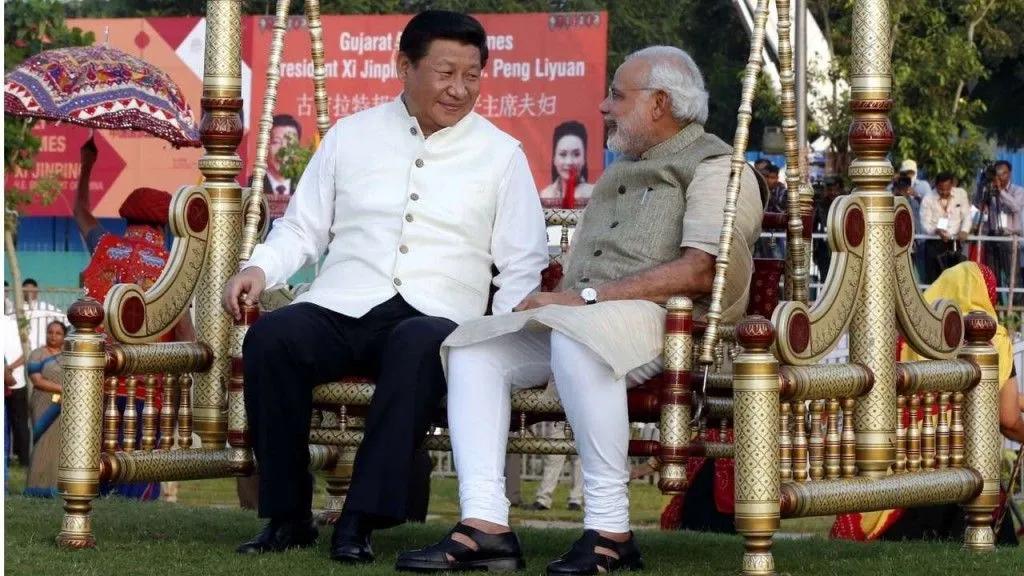
In response to trade sanctions, China and India are enhancing cooperation. Ambassador Xu Feihong urged Indian companies to invest in China and noted that bilateral relations should not depend on third countries. He emphasized the importance of collaboration between the world’s two largest developing economies to maintain peace and development in Asia.
Global implications and challenges
Experts warn that tariff wars may disrupt global trade chains and increase economic instability. In response to US actions, India and China are striving to strengthen their economic ties and counter protectionism.
Prospects and conclusions
Cooperation between China and India amidst global economic challenges could become a key factor in ensuring stability and development in Asia. Strengthening bilateral relations, despite external pressures, demonstrates the maturity and strategic autonomy of both countries.