
Reliable Supplier in China – How to Find, Verify, and Choose | ChinaGlobal Hub
Finding a reliable supplier in China is a key step for successful business and stable supplies. When choosing a Chinese manufacturer, it’s important to consider product quality, delivery times, legal verification, and reviews from other clients. Searching for a supplier in China requires a systematic approach: using verified platforms, personal factory inspections, and analyzing contract terms. By following these steps, you can minimize risks, ensure reliable supplies from China, and choose a partner that meets your business standards.
Article
How to Find a Reliable Supplier in China: Step-by-Step Guide
A guide to finding and verifying Chinese manufacturers with examples of platforms Alibaba, 1688 and others for industrial equipment.
Problem and Solution
Imports from China are growing every year: statistics show that the share of Chinese goods in global trade exceeds 25%, and the number of B2B transactions through platforms like Alibaba and 1688 is growing by 10-15% annually. However, the choice of a reliable supplier remains a serious problem for companies, especially for those working with industrial equipment.
Step 1: Defining Goals and Requirements for the Supplier
Before searching for a supplier, it is important to understand:
- What products or equipment you need.
- Order volume and frequency of deliveries.
- Budget and payment terms.
- Quality requirements and certifications.
Tip: Make a checklist with key criteria: production speed, MOQ, ISO certificates, OEM/ODM capabilities. This will help to eliminate non-specialized Chinese manufacturers right away.
Step 2: Choosing Platforms for Search
- Alibaba
- Main platform for international transactions.
- Over 20 million suppliers, including manufacturers and trading companies.
- There are ratings, reviews, and verification through Gold Supplier.
- 1688.com
- A Chinese B2B platform focused on the domestic market.
- Prices are often lower than on Alibaba, but the interface is in Chinese.
- Requires an intermediary or translator for purchases.
- Other platforms
- Made-in-China.com – good for finding industrial equipment.
- Global Sources – focus on verified manufacturers.
- DHgate – for small batches and trial purchases.
Tip: Compare suppliers across several platforms to determine the average price range and delivery terms.
Step 3: Supplier Verification
What to check:
- Company registration details (Business License).
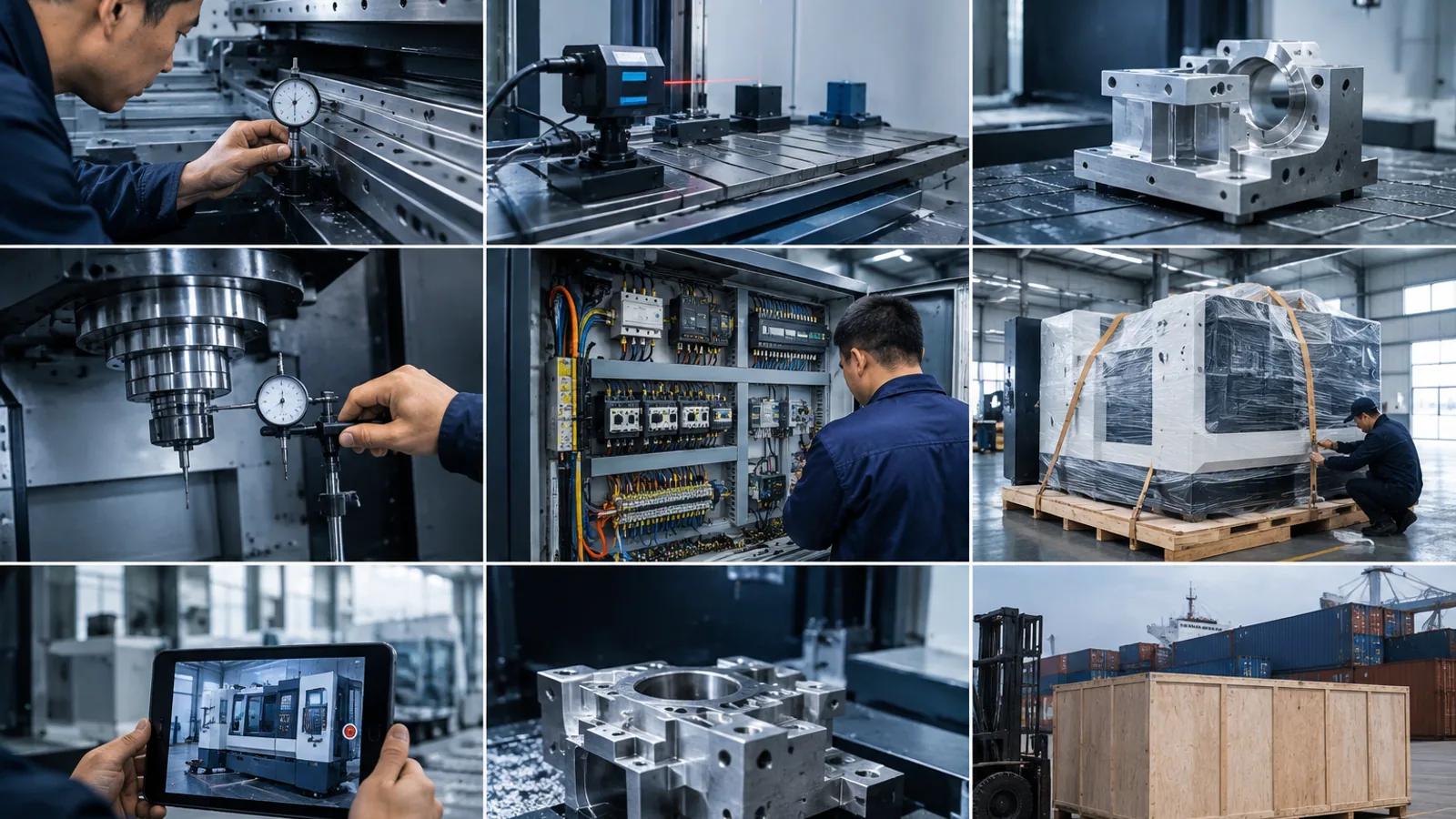
- Real photos of the factory and equipment.
- Reviews from other buyers and ratings.
- Possibility to visit the production (or video tour).
- Quality certificates (ISO, CE, SGS).
Verification methods:
- Verification services for Alibaba/1688.
- Online verification through Chinese state registers.
- Audit through a quality control agency.
Tip: Never agree to prepayment without verifying the supplier. Ideally, payment should be split: 30% advance, 70% after product verification.
Step 4: Comparison and Negotiation
When choosing between multiple candidates, consider:
- Price per unit and shipping costs.
- Minimum order (MOQ).
- Production and delivery timeline.
- Flexibility for orders and OEM.
Tip: Use real market data in negotiations: average price, competitor reviews. This will help reduce risks and achieve better terms.
Step 5: Contract Conclusion and Logistics
- Sign a contract in English and Chinese with a detailed description of terms: deadlines, packaging, responsibility for defects.
- Discuss Incoterms (FOB, CIF, EXW).
- Use the services of logistics operators or freight forwarders to avoid issues at customs.
Tip: Even for small batches, it’s worth checking each delivery through independent quality control.
Mistakes to Avoid
- Purchasing from a supplier without verifying licenses.
- Focusing solely on price without analyzing quality.
- Lack of a contract or specified delivery conditions.
- Ignoring cultural and language differences during negotiations.
Practical Tips
- Start with small trial orders.
- Keep all correspondence and contracts in digital form.
- Use escrow payments for transaction protection.
- Regularly monitor reviews about the supplier on Alibaba and 1688.